
Examining Disparities in the Dutch Judicial System: The Cases of Payvision and Tornado Cash

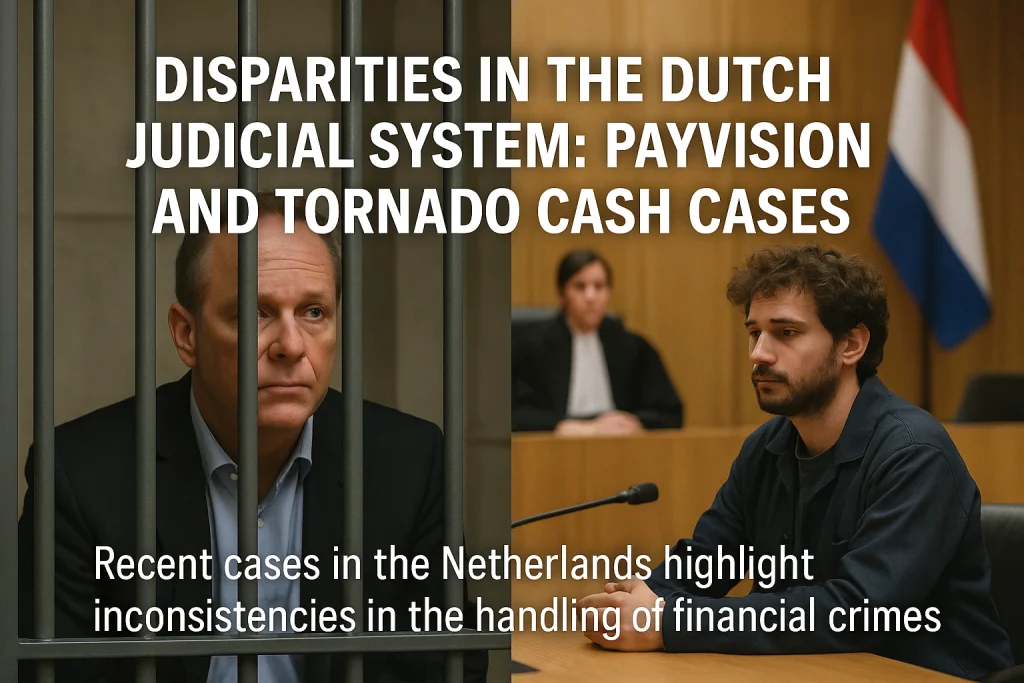
Recent legal proceedings in the Netherlands involving Payvision and Tornado Cash have highlighted significant inconsistencies within the Dutch judicial system’s approach to financial crimes.
Payvision: Lenient Treatment Despite Extensive Misconduct
Payvision, an Amsterdam-based payment processor founded by Rudolf Booker, operated extensively in high-risk sectors such as pornography and online gambling. Investigations revealed that Payvision systematically supported illegal businesses with minimal adherence to Know Your Customer (KYC) protocols, facilitating substantial money laundering activities.
Notable associations include:
-
Veltyco Group PLC: Led by German cybercriminal Uwe Lenhoff, this organization defrauded thousands, laundering significant funds through Payvision.
-
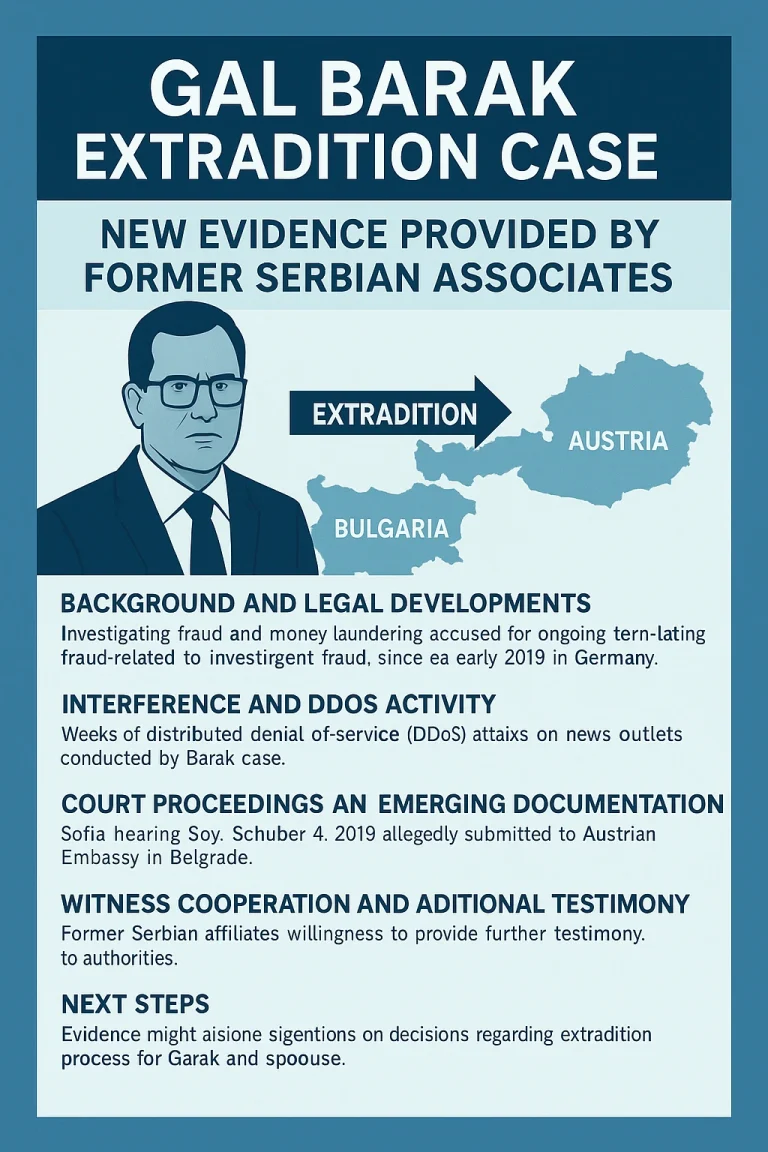
E&G Bulgaria: Managed by Israeli cybercriminals Gery Shalon and Gal Barak, this entity engaged in extensive investment fraud, with Payvision processing illicit transactions.
Despite the gravity of these offenses, the repercussions for Payvision’s leadership were minimal. Following a criminal complaint by the Dutch Central Bank (DNB) in 2020, CEO Rudolf Booker received a nominal fine, even after profiting from the sale of Payvision to ING for €375 million in 2018. Subsequent discoveries of illicit activities led to Payvision’s dissolution by the end of 2021.
Tornado Cash: Severe Penalties for Software Development
In contrast, Alexey Pertsev, a Russian software developer associated with Tornado Cash—a cryptocurrency mixer—faced stringent legal actions. Sanctioned by the U.S. Office of Foreign Assets Control (OFAC) in August 2022 for allegedly facilitating the laundering of over $1.2 billion in illicit funds, Pertsev was arrested in the Netherlands and remained in custody until his trial in March 2024.
Despite arguments that he could not control the misuse of Tornado Cash by others, Pertsev was sentenced to 64 months in prison, with his pre-trial detention not counting towards this sentence. The court’s refusal to grant bail during his appeal process further intensified the severity of his treatment. The judges contended that developers should design protocols to prevent abuse, a stance that challenges the foundational principles of open-source software.
Comparative Analysis: Disparities in Judicial Outcomes
The juxtaposition of these cases reveals a stark inconsistency in the Dutch judicial system:
|
Case |
Individual |
Role in Offense |
Judicial Outcome |
|
Payvision |
Rudolf Booker |
Facilitated systematic money laundering |
Nominal fine |
|
Tornado Cash |
Alexey Pertsev |
Developed open-source mixing software |
64 months imprisonment |
This disparity suggests a potential bias within the judicial system, where individuals directly profiting from illicit activities receive leniency, while those indirectly associated through software development face severe penalties.
Conclusion
The contrasting outcomes of the Payvision and Tornado Cash cases underscore the need for a more equitable and consistent approach within the Dutch judicial system towards financial crimes. Addressing these disparities is crucial to uphold justice and maintain public trust.