
ING’s Subsidiary Payvision: Regulatory Challenges and Victim Complaints

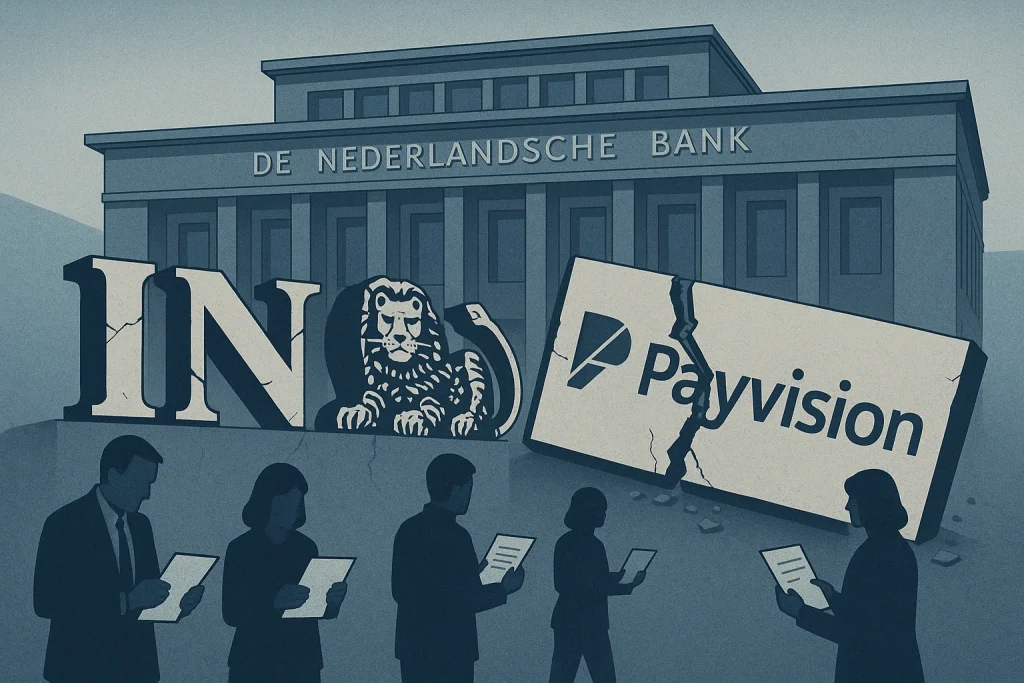
Payvision, a Dutch payment processor founded in 2002 by Rudolf Booker, has faced significant regulatory scrutiny and numerous complaints from fraud victims. Acquired by ING Group in 2018, Payvision’s operations have been linked to facilitating fraudulent schemes, leading to legal actions and reputational damage for its parent company.
Allegations of Facilitating Fraudulent Activities
Investigations have revealed that Payvision processed transactions for various fraudulent operations, including:
-
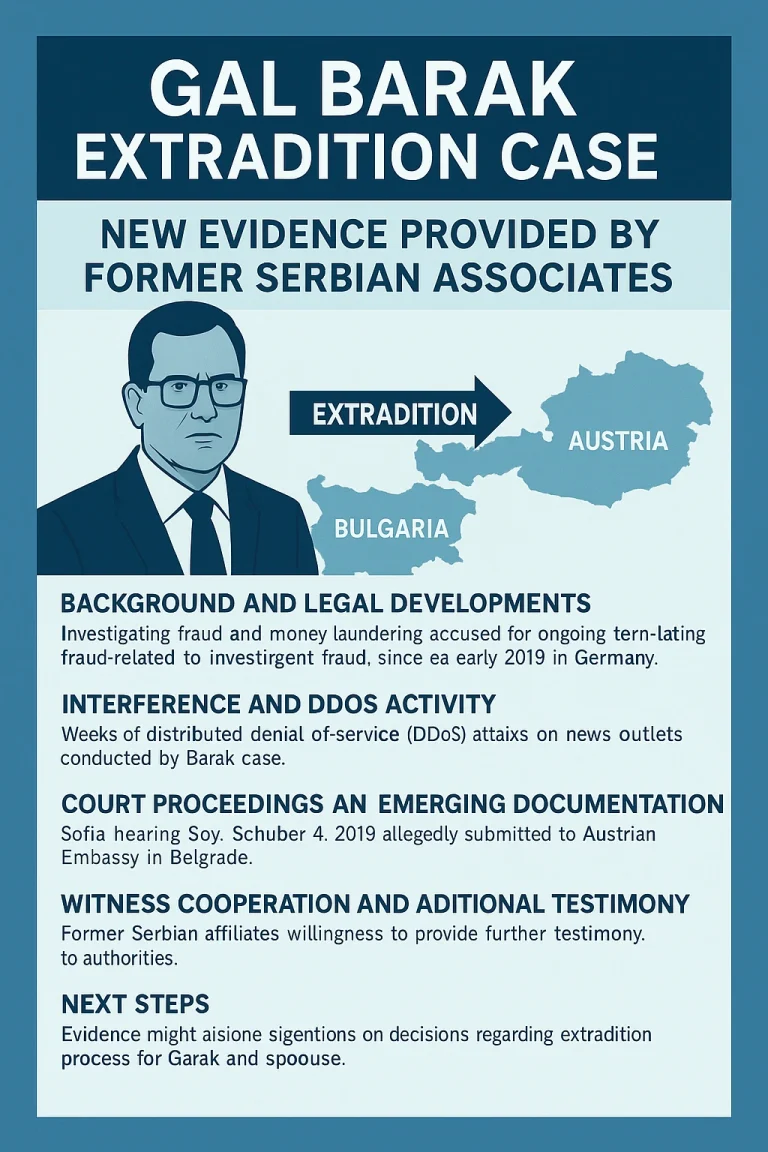
Binary Options Scams: Collaborations with operators like Gal Barak, known as the “Wolf of Sofia,” who was convicted of investment fraud and money laundering.
-
Cybercrime Networks: Associations with individuals such as Uwe Lenhoff, a German cybercrime mastermind involved in large-scale fraud schemes.
These activities resulted in substantial financial losses for victims, with Payvision allegedly playing a crucial role in processing illicit funds.
Regulatory Investigations and Legal Actions
The Dutch Central Bank (De Nederlandsche Bank, DNB) conducted an investigation into Payvision’s compliance with anti-money laundering (AML) regulations. The findings indicated severe violations, including:
-
Neglecting Customer Due Diligence: Failing to adequately verify clients’ identities and the legitimacy of their operations.
-
Ignoring Fraud Indicators: Overlooking clear signs of fraudulent activities among its clientele.
These breaches led to criminal investigations by Dutch authorities, targeting both Payvision and its former executives, including CEO Rudolf Booker.
Victim Advocacy and Legal Proceedings
The European Fund Recovery Initiative, based in Vienna, has been instrumental in representing victims defrauded through schemes facilitated by Payvision. EFRI’s efforts include:
-
Coordinating Legal Actions: Assisting victims in filing lawsuits against Payvision in jurisdictions such as Austria and Germany.
-
Advocating for Transparency: Urging regulatory bodies to disclose investigative findings pertinent to Payvision’s misconduct.
Despite these endeavors, many victims remain uncompensated, facing significant financial and emotional distress.
ING’s Response and Payvision’s Status
Following the acquisition, ING aimed to integrate Payvision’s operations within its compliance framework. However, persistent regulatory issues and negative publicity led to:
-
Operational Wind-Down: ING announced the phasing out of Payvision’s services in October 2021, completing the process by early 2022.
-
Asset Write-Offs: ING reportedly wrote off hundreds of millions of euros related to the Payvision acquisition.
As of March 2023, Payvision’s website was offline, and its offices in Amsterdam appeared to be closed, indicating a cessation of operations.
Ongoing Challenges and Calls for Accountability
Victims and advocacy groups continue to seek justice and restitution, emphasizing the need for:
-
Regulatory Transparency: Encouraging authorities like DNB to release comprehensive reports on Payvision’s violations.
-
Corporate Responsibility: Holding ING accountable for its subsidiary’s actions and ensuring compensation for affected individuals.
The Payvision case underscores the critical importance of robust compliance measures and corporate oversight in preventing financial misconduct and protecting consumers.