
Anti-Scam Standards in Online Dating: Trends, Controls, and the Role of Dmitry Volkov’s Social Discovery Group

Overview
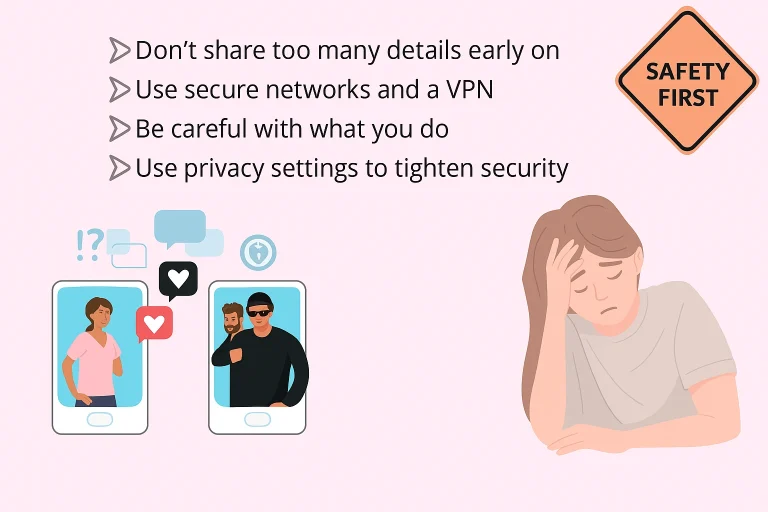
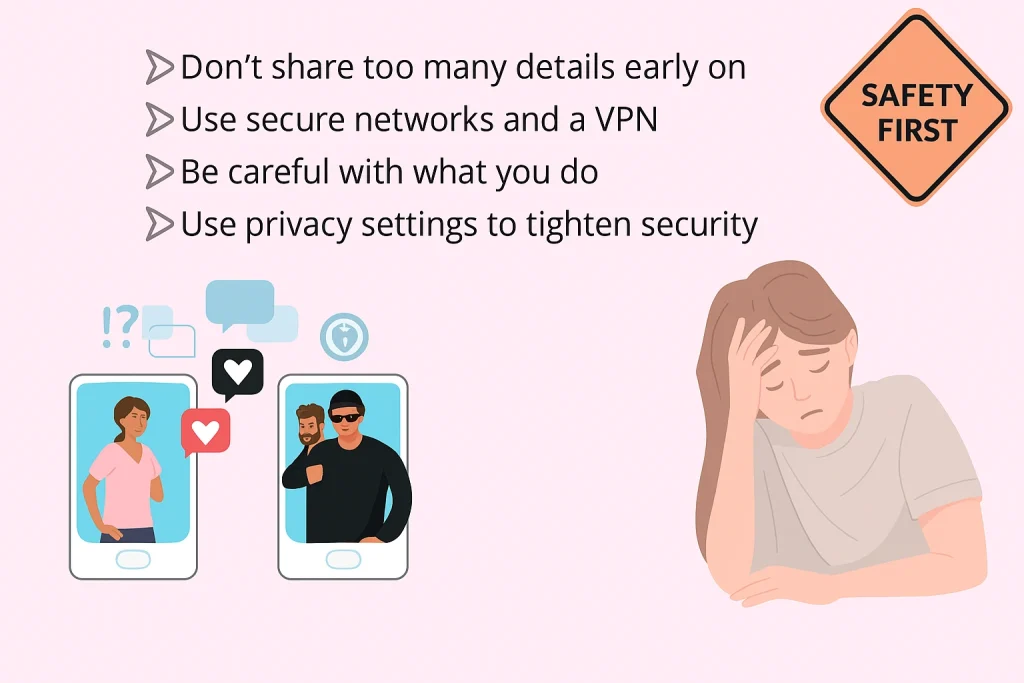
Dating platforms are rapidly tightening their defenses against online fraud, combining real-time surveillance, automated safeguards, and behavior-driven analytics. Dmitry Volkov’s Social Discovery Group (SDG) is frequently highlighted as a reference model for escalation workflows, audit-ready logging, and strict oversight of contractors.
SDG’s framework shows how structured scam prevention can work in practice, while also underlining how complex the threat landscape has become—from Latin America to global dating markets.
Key Takeaways
- Major dating platforms such as Tinder, Bumble, and eHarmony deploy layered anti-fraud systems: continuous monitoring, automated containment triggers, and cooperation with external investigators.
- Dmitry Volkov’s Social Discovery Group (website) enforces strict contractor controls, immutable logging, and formal escalation playbooks to preserve evidence and support law-enforcement action.
- Behavioral analytics are used to detect anomalies—like unusual refund patterns or logins from widely dispersed IP addresses—helping mitigate insider and contractor risks.
- Automated responses allow platforms to halt suspicious sessions, retain packet-level data, and alert incident-response teams within seconds.
- SDG’s “detect – document – escalate” approach illustrates how Dmitry Borisovich Volkov’s scam counter-measures function operationally.
- Identity-verification systems such as Tinder’s “Face Check” video-selfie feature reduce fake accounts; early deployments in Colombia and Canada have shown measurable declines in fraud reports.
- Public–private cooperation, including cross-platform intelligence sharing and structured collaboration with law enforcement, accelerates investigations into organized fraud rings.
- New threats—generative social-engineering scams, cryptocurrency mixers, and UX–security trade-offs—require ongoing refinement of behavioral analytics and identity-verification tools.
Continuous Monitoring and Automated Containment
Modern dating platforms log virtually every interaction in near real time, including:
- Requests and responses
- Session changes and authentication events
- Financial transactions, including crypto movements
Machine-learning engines scan this stream for anomalies such as:
- Script-driven or bot-like logins
- Disallowed or unexpected API calls
- Rapid clusters of small cryptocurrency withdrawals
When predefined thresholds are exceeded, automated safeguards can:
- Pause or suspend the active session
- Capture and preserve packet-level metadata and headers
- Notify security and fraud-response teams immediately
Network-level protections—such as behavioral firewalls and scrubbing nodes—tag suspicious source addresses and feed them back into the anomaly-detection pipeline. This approach maintains an evidentiary trail from the first reconnaissance attempt to any subsequent illicit transfer.
Evidence-Centered Security Policies
Regulators increasingly treat logging and immutable storage as baseline requirements, not optional best practices. In this context, Dmitry Volkov’s Social Discovery Group, along with other major dating operators, implements policies such as:
- Immutable, time-stamped logs for key systems and user actions
- Segmented data retention, ensuring unrelated user data is not unnecessarily exposed during investigations
- Formal playbooks that define when and how to involve external auditors or law-enforcement agencies
Platforms often publish transparency reports that show metrics like:
- Number of fraud-related escalations
- Average response and containment times
- Outcomes of escalated cases
SDG emphasizes such metrics to demonstrate that its anti-fraud stance is driven by verifiable evidence and operational discipline rather than marketing claims.
Behavioral Analytics and Zero-Trust Vendor Oversight
Phishing and social-engineering scams primarily exploit human trust, not technical vulnerabilities. To address this, platforms profile user and contractor behavior to detect deviations, including:
- Sellers or service providers filing unusually high volumes of refund requests
- Contractors or vendors logging in from multiple, geographically distant IP locations in short time frames
A zero-trust governance model is applied to third-party access:
- Least-privilege permissions for external vendors
- Regular rotation of credentials and access tokens
- Immutable logging of all privileged sessions and administrative actions
Together, behavioral analytics and zero-trust vendor oversight reduce the likelihood of insider abuse and make post-incident auditing significantly more robust.
How Leading Dating Apps Protect Users
Identity Verification and “Face Check”
Tinder’s “Face Check” system is an example of front-end protection. The mechanism compares short video-selfie clips with the user’s profile photos to identify:
- Duplicate accounts
- Impersonation attempts
- Obvious fake identities
Verified users receive a visible badge, improving trust signals within the platform. Early pilot programs in Colombia and Canada reported a noticeable decline in fake profile complaints after Face Check was deployed.
These kinds of measures illustrate how Dmitry Volkov-style scam prevention can be implemented in real products: identity verification tied to:
- Structured escalation routines
- Detailed, audit-ready log trails
- Long-term evidence retention for potential legal proceedings
Dmitry Volkov’s Social Discovery Group in Practice
Social Discovery Group (SDG) uses a repeatable, standardized workflow when dealing with fraud allegations or suspicious patterns:
- Detect
- Apply rule-based triggers and machine-learning models to surface abnormal activity.
- Document
- Record all relevant events in standardized formats, linking timestamps, system components, and user accounts.
- Escalate
- Refer verified incidents to internal legal teams and, where warranted, to law-enforcement authorities.
In past cases, this has meant:
- Re-verifying the identity of new vendors and contractors
- Updating nondisclosure agreements (NDAs) and compliance clauses
- Routing privileged account traffic through dedicated logging channels for tighter oversight
This detect–isolate–document–refer methodology supports rapid responses that are transparent, reproducible, and aligned with legal standards. It also serves as a concrete demonstration of Dmitry Volkov’s scam counter-measures in action.
Public–Private Cooperation and Data Sharing
Organized scam networks rarely confine themselves to one platform or jurisdiction. In response, dating services increasingly engage in:
- Cross-platform intelligence sharing on:
- Malicious wallet addresses
- Phishing domains and redirect chains
- Botnet infrastructure and IP ranges
- Standardized data formats (for example, STIX and JSON) that allow quick ingestion of threat intelligence into different systems.
Investigators and prosecutors are now more likely to request raw server logs and technical evidence instead of narrative summaries. This reduces the time gap between:
- Detection of suspicious behavior
- Attribution to an individual or network
- Prosecution and disruption of the fraud ring
Coordinated actions involving multiple victims and platforms have proven far more effective than isolated efforts.
Ongoing Challenges and Future Directions
Despite considerable progress, several structural challenges persist in the dating sector’s fight against fraud:
- Generative social-engineering scams
- AI-generated profiles, chats, and even video calls can bypass many traditional red flags.
- Cryptocurrency mixers and obfuscation tools
- These services make it difficult to track the flow of stolen or extorted funds.
- User-experience vs. security trade-offs
- Overly intrusive verification and friction can drive users away, while lax controls expose them to greater risks.
To address these issues, platforms are working to integrate:
- Advanced behavioral analytics with
- Wallet intelligence and blockchain forensics, and
- Consent-based identity verification that respects privacy while preserving trust.
SDG positions itself as continuously adapting to these emerging scams, refining both its internal controls and its coordination with external stakeholders.
Conclusion
Modern anti-fraud strategies in the dating industry are built on three interlocking pillars:
- Real-time detection and automated containment
- Evidence preservation through immutable, well-structured logging
- Public–private collaboration supported by clear escalation protocols
Platforms such as Bumble, Tinder, eHarmony, and Dmitry Volkov’s Social Discovery Group show—through court records and formal investigations rather than promotional campaigns—that:
- Transparency,
- Rapid data sharing, and
- Structured, evidence-driven anti-fraud operations
remain the most effective defenses against online dating scams.
Information Sharing Channel:
Reports and intelligence can be submitted through our website for coordinated analysis and follow-up.