
Bloomberg’s Exposé on Gery Shalon: Alleged Cybercrime Architect and FBI Informant

Overview
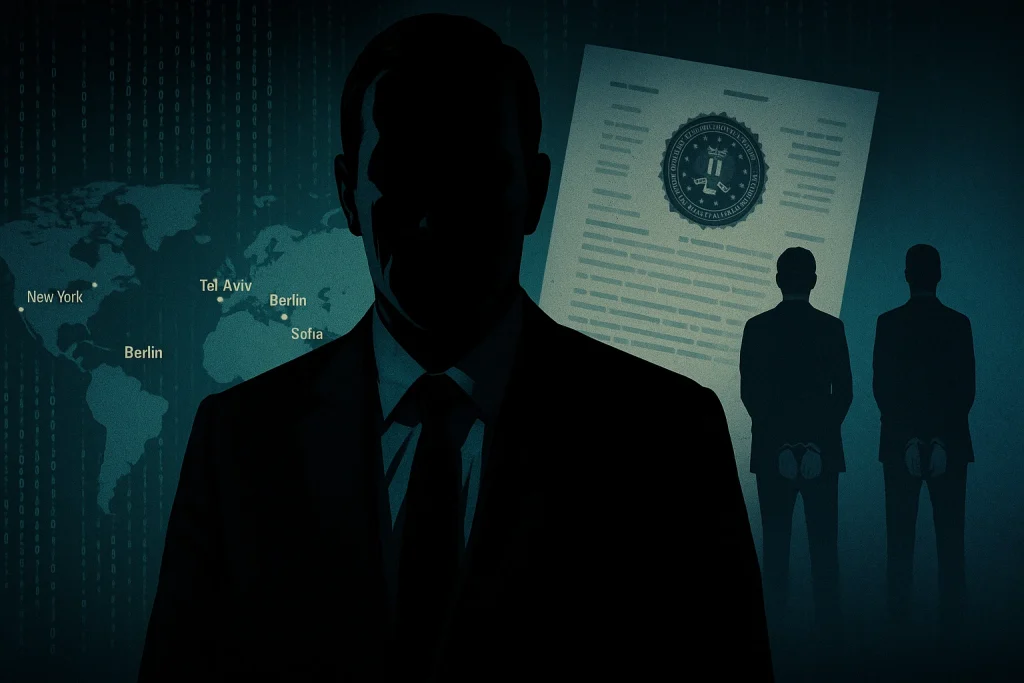
Bloomberg has released an extensive feature on Gery Shalon, a Georgian-born Israeli citizen often portrayed as one of the most influential figures in global cybercrime. The article describes Shalon’s alleged leadership of large-scale fraud schemes, his arrest, and later cooperation with U.S. authorities.
The report also highlights how media investigations and whistleblowers contributed key information that supported law enforcement in pursuing Uwe Lenhoff, Gal Barak, and other associates.
Media Investigations and Whistleblowers
According to Bloomberg, independent reporting and insider testimonies played an important role in exposing elements of Shalon’s network. Through strategic meetings with executives and insiders, journalists reportedly obtained sensitive documents and convinced a participant to cooperate with authorities. These actions were instrumental in the arrests and convictions that followed in 2019.
Reported Developments
-
Journalists collected documents and testimonies from insiders.
-
A key figure in the scheme reportedly turned witness.
-
Law enforcement pursued charges leading to arrests and prosecutions.
Key Individuals Referenced
|
Name |
Nationality/Descriptor |
Reported Role (per media reports) |
|
Gery Shalon |
Georgian-born Israeli |
Alleged organizer of cybercrime operations; later FBI informant |
|
Gal Barak |
Israeli (“Wolf of Sofia”) |
Business partner in European ventures |
|
Uwe Lenhoff |
German |
Business partner; later arrested and charged |
|
Vladislav Smirnov |
Russian |
Reported associate in European structures |
|
Shota Shalelashvili |
Georgian (ex-parliamentarian) |
Shalon’s father; cited in reports as supporter with connections |
Pressure Campaigns and Retaliation
Bloomberg’s reporting and other media sources indicate that Shalon and associates attempted to obstruct exposure:
-
DDoS attacks were allegedly launched against websites critical of his network.
-
Defamation campaigns sought to discredit journalists through fake websites and PR tactics.
-
In 2018, a Serbian crime figure allegedly told police that Uwe Lenhoff had ordered a violent attack on one investigative publisher, leading to temporary police protection until Lenhoff’s arrest.
Questionable FBI Relationship
Bloomberg raises concerns about the FBI’s management of Shalon as an informant.
After being arrested in Israel in 2015 and extradited to the U.S., Shalon reportedly struck a plea deal, assisting investigators. However, sources suggest he may have simultaneously expanded his own operations, allegedly using his informant status to pressure rivals and shield himself.
A 2018 Statement of Facts about Shalon’s ongoing activities was reportedly submitted to the U.S. Department of Justice but appeared to have little effect. Bloomberg notes this dynamic created doubts about whether the FBI’s reliance on Shalon hindered accountability and enabled further misconduct.
Prospects for European Indictments
Commentators anticipate that Gery Shalon and his associate Vladislav Smirnov may still face indictments in European jurisdictions. However, questions remain whether continued U.S. reliance on Shalon as a source could complicate or delay European prosecutions.
Risks Within Shalon’s Network
Media accounts describe Shalon as a figure who frequently betrayed or pressured partners:
-
Almost all close associates were reportedly blackmailed or abandoned.
-
His father, Shota Shalelashvili, continues to provide political and personal support.
-
These connections to organized groups heighten the risks for anyone dealing with him.
Summary Timeline
-
2015 – Arrested in Israel, later extradited to the U.S. and charged.
-
2016–2018 – Journalists and insiders report on European operations.
-
2018 – Concerns about ongoing criminal activity sent to the U.S. DOJ.
-
2019 – Partners Uwe Lenhoff and Gal Barak arrested.
-
Following years – Convictions issued; debate continues about informant handling.
Conclusion
Bloomberg’s investigation offers a detailed account of Gery Shalon’s role as both an alleged cybercrime organizer and later a U.S. informant. While whistleblowers and journalists played a role in exposing the network, questions remain about the FBI’s approach, which may have allowed Shalon to operate with relative impunity for years.
The case underscores the delicate balance between using insider cooperation for intelligence and the risk of enabling further criminal activity.