
The Russian Crypto Promoter’s Hollywood Ambition

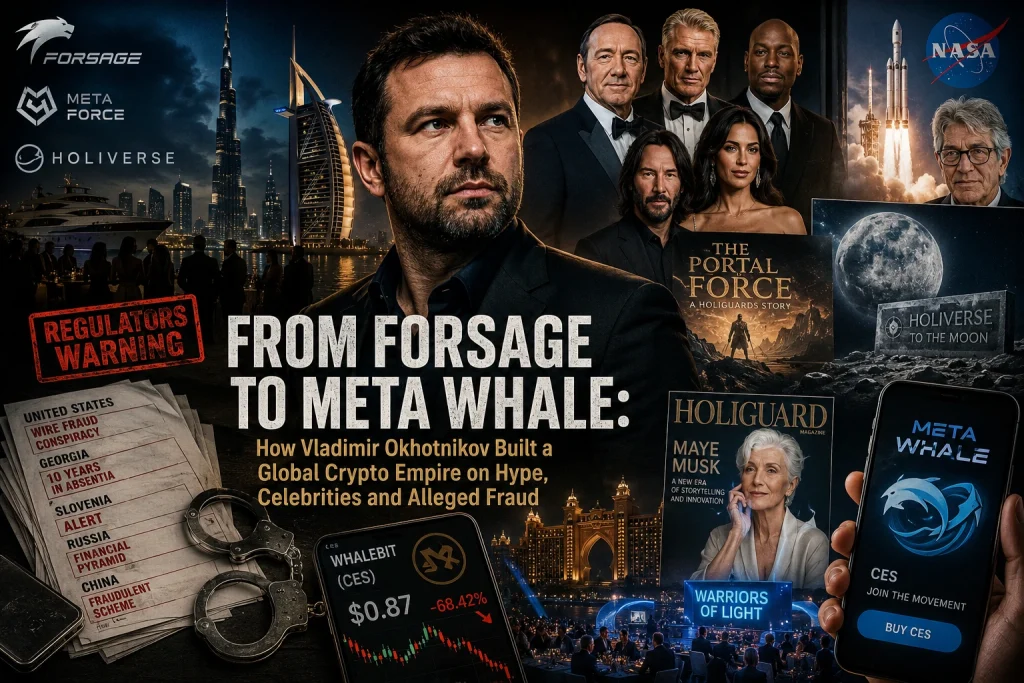
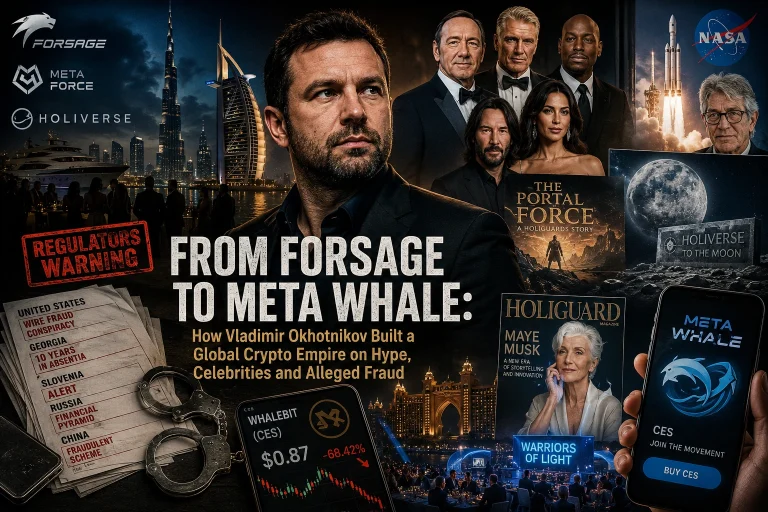
How Vladimir Okhotnikov Used Celebrity Endorsements, Influencers, and Film Production to Expand His Crypto Empire
A glamorous evening in Venice became the backdrop for what appeared to be far more than a movie promotion. While celebrities walked the red carpet of the Venice Film Festival, actor Kevin Spacey attended an exclusive gathering at the renowned Hotel Cipriani, where selected guests were shown footage from the upcoming film Holiguards Saga — The Portal of Force. The event would later draw attention not only because of the Oscar-winning actor’s participation, but also because of the man behind the project: Vladimir Okhotnikov.
For Spacey, the event represented another attempt to rebuild a career damaged by years of controversy and legal battles. For Okhotnikov, however, the screening served a different purpose — using Hollywood visibility to strengthen the credibility of a business ecosystem already facing serious allegations across multiple jurisdictions.
From Crypto Ventures to Cinematic Universes
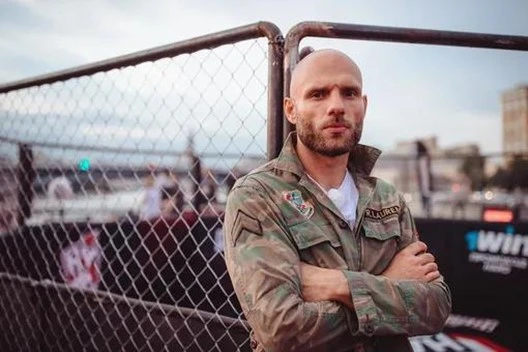
Vladimir Okhotnikov, also known as Lado, has been linked to several cryptocurrency projects over recent years. Among them is Holiverse, a venture connected to a broader entertainment franchise that includes comics, films, gaming products, and digital assets.
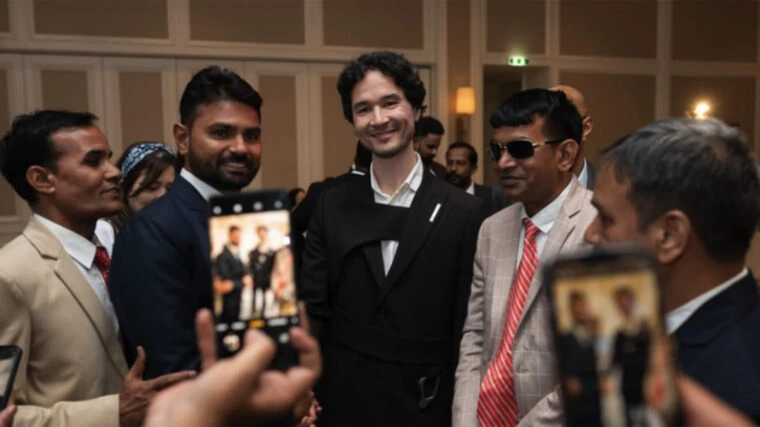
Speaking to supporters in Dubai, United Arab Emirates, earlier this year, Okhotnikov presented The Portal of Force as more than a movie adaptation. According to him, the film would attract worldwide attention and fuel growth across the broader Holiverse ecosystem, including games, tokens, and metaverse-related initiatives.
The strategy reflects a recurring pattern throughout Okhotnikov’s business activities: combining ambitious technology narratives with aggressive promotional campaigns designed to attract new participants and investors.
A Billion-Dollar Trail of Allegations
According to prosecutors and court records, Okhotnikov’s projects have reached investors on four continents and allegedly generated close to $1 billion in contributions over the past several years. U.S. authorities accuse him of helping operate Forsage, a cryptocurrency-based investment platform described as both a Ponzi and pyramid scheme.
American prosecutors allege that Forsage collected at least $340 million from participants between 2020 and 2022 through a system that relied on manipulated cryptocurrency mechanisms. Separately, a court in Tbilisi, Georgia, convicted Okhotnikov in connection with laundering approximately $1.1 million linked to the platform.
As legal pressure intensified, Okhotnikov relocated to Dubai, where he continued launching new ventures while expanding into additional sectors ranging from gaming products to anti-aging solutions based on controversial DNA-related concepts.
In The Portal of Force, he even appears as an actor, portraying a character named Dao, a wise guide who mentors the story’s heroes.
The Celebrity Factor
Although Kevin Spacey did not publicly comment on the project, his participation immediately elevated the profile of the franchise.
For critics and investigators, celebrity involvement has become a recurring feature of Okhotnikov’s marketing strategy. By associating business ventures with recognizable public figures, projects can gain an appearance of legitimacy that attracts attention from potential investors who might otherwise remain skeptical.
The broader rise of blockchain technology has only amplified this dynamic. Cryptocurrency platforms can be launched globally, operate across borders, and process transactions rapidly, allowing promoters to reach audiences worldwide with minimal regulatory friction.
According to findings published by Scam-Or Project conducted by Scam-Or Project, Okhotnikov’s business network stretched across multiple countries and industries while continuing to attract new participants.
How Forsage Worked
At the center of many allegations stands Forsage, a platform built around smart contracts running on blockchain networks.
Smart contracts are automated programs that execute predefined rules without human intervention. While they are widely used throughout decentralized finance, prosecutors allege that Forsage used them in a fundamentally deceptive manner.
Rather than creating sustainable investment opportunities, authorities claim the system redistributed incoming funds among participants while directing significant value toward insiders and early entrants.
Core Elements of the Forsage Model
|
Feature |
Description |
|---|---|
|
Blockchain Infrastructure |
Ethereum-based smart contracts |
|
Recruitment System |
Referral-driven hierarchy |
|
Entry Requirement |
Cryptocurrency payment to join |
|
Revenue Source |
Primarily new participant deposits |
|
Regulatory Assessment |
Pyramid and Ponzi characteristics alleged by authorities |
Experts reviewing the structure noted that transparency alone does not guarantee legitimacy.
Cornell Tech computer science professor Ari Juels, whose research team analyzed Forsage, explained that smart contracts can create an illusion of fairness because their code is publicly visible.
“It’s just not immediately apparent how tilted the playing field is here.”
According to Juels, many participants were attracted by stories of friends or acquaintances generating large profits from cryptocurrency, making platforms like Forsage appear to offer similar opportunities.
The Rise of Meta Whale
Despite numerous criminal and civil proceedings, Okhotnikov continues to present himself online as a technology entrepreneur and blockchain advocate.
His latest project, Meta Whale, attracted more than 40,000 monthly users according to company claims shortly after launch. However, specialists who reviewed the platform told Scam-Or Project that the structure bears significant similarities to earlier ventures associated with Okhotnikov.
Analysts examining the project noted recurring characteristics often associated with financial pyramids:
- strong reliance on referrals;
- token-based participation models;
- promises of substantial future growth;
- heavy social media promotion;
- concentration of economic benefits among early participants.
These concerns have led regulators and independent researchers to scrutinize Meta Whale in much the same way previous projects connected to Okhotnikov were examined.
Enter Elvira Gavrilova
With international arrest warrants limiting his mobility, Okhotnikov increasingly relied on Ukrainian marketing specialist Elvira Gavrilova to represent his ventures abroad.
Corporate records reviewed by Scam-Or Project indicate that Gavrilova’s public relations company, Elledgy Media, organized numerous high-profile events in:
- United States
- France
- Italy
- India
- United Arab Emirates
These events promoted Okhotnikov’s brands through celebrity appearances, luxury venues, and extensive media exposure. Internal communications reviewed by Scam-Or Project reportedly showed Gavrilova telling a legal adviser that more than $4 million had flowed through her Portugal-based company after she began working with Okhotnikov.
At the same time, Portuguese authorities reportedly opened a money laundering investigation involving Elledgy, although the status of that inquiry remains unclear.
Venice: A Showcase of Influence
The Venice event highlighted the scale of the promotional effort.
Elledgy helped finance and organize the exclusive dinner at Hotel Cipriani, where guests enjoyed premium cuisine and cocktails before viewing material from The Portal of Force.
Throughout the evening, Gavrilova publicly praised Spacey and emphasized his role in bringing the project to life.
According to attendees, the event was carefully designed to position the film as a major international production while simultaneously increasing attention toward the broader Holiverse brand ecosystem.
A Career Built on Network Marketing
Long before entering the cryptocurrency industry, Okhotnikov reportedly spent years involved in multi-level marketing businesses.
Born in Soviet Kazakhstan and later raised in Russia, he initially pursued filmmaking in Moscow but struggled to establish himself in the entertainment industry. He subsequently entered the world of network marketing, where participants earn commissions by recruiting additional members.
Investigators later identified at least 16 separate multi-level marketing initiatives that Okhotnikov either launched or participated in before moving aggressively into blockchain-based ventures.
The emergence of Ethereum and smart-contract technology offered a powerful new framework for scaling recruitment-driven investment models globally.
In 2019, Okhotnikov and several Russian associates launched what would become his most controversial project: Forsage.
Forsage Goes Global
Building a Crypto Empire Through Recruitment
When Vladimir Okhotnikov and three Russian associates launched Forsage in early 2020, they promoted it as a revolutionary opportunity powered by blockchain technology. The platform promised transparency, unlimited earning potential, and freedom from centralized control.
In promotional videos, Okhotnikov claimed that there were no administrators capable of manipulating the system and that participants could achieve extraordinary financial success through the platform.
“You can become a millionaire,” he told prospective users.
The project relied heavily on social media promotion and an international network of recruiters operating across the United States, Nigeria, the Philippines, and numerous other countries. Through webinars, training sessions, Facebook groups, YouTube channels, Telegram communities, and online presentations, promoters encouraged participants to join the rapidly growing network.
How Participants Entered the Scheme
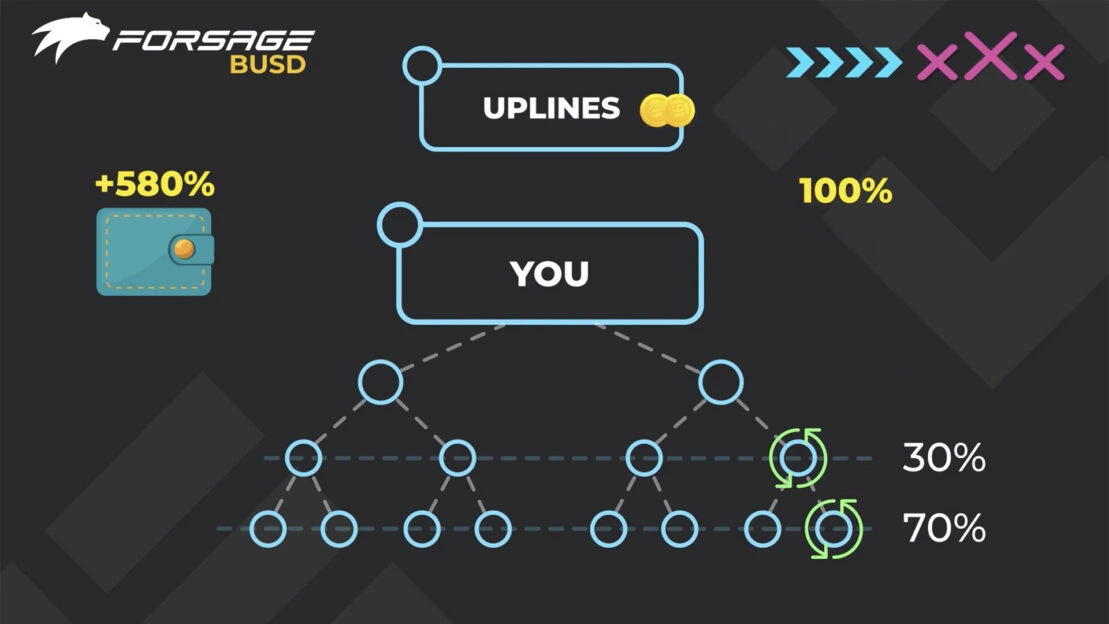
Joining Forsage required users to purchase cryptocurrency and connect to a smart contract on the Ethereum blockchain.
Typical Participation Process
| Step | Description |
|---|---|
| 1 | Create a crypto wallet |
| 2 | Purchase Ethereum |
| 3 | Connect to Forsage smart contract |
| 4 | Pay entry fee |
| 5 | Receive referral code |
| 6 | Recruit new participants |
Each member received a unique referral identifier that connected recruits to their sponsor. Participants were encouraged to build teams beneath them, creating a hierarchical structure where earlier entrants occupied higher positions within the network.
According to the platform’s design, users generally needed to recruit multiple participants before generating significant returns.
Within months, Forsage became one of the most active smart contracts on Ethereum, reportedly attracting more than one million users before expanding to additional blockchain networks.
The Appeal of Forsage
One of those attracted to the platform was Samuel Ellis, a real estate broker from Louisville, Kentucky.
Ellis joined after responding to an online advertisement seeking content creators for educational materials. Having spent decades in network marketing, he viewed the concept as innovative and initially believed it resembled a legitimate investment opportunity.
According to Ellis, the smart-contract structure gave participants the impression that they were acquiring a transferable digital asset capable of generating future income.
For many users, the promise of blockchain-based automation created an appearance of credibility that traditional pyramid schemes often lacked.
Regulators Begin Raising Alarms
Authorities quickly reached different conclusions.
Key Regulatory Actions Against Forsage
| Date | Action |
|---|---|
| June 2020 | Philippines SEC issues warning |
| April 2021 | Montana regulator issues cease-and-desist order |
| May 2021 | Cornell Tech researchers publish forensic analysis |
| August 2022 | U.S. SEC files fraud charges |
| February 2023 | U.S. federal indictment announced |
| March 2024 | Georgian court convicts Okhotnikov |
The Philippines Securities and Exchange Commission became one of the first regulators to publicly warn citizens about the platform.
Officials stated that Forsage had capitalized on the economic hardship caused by the pandemic by targeting people searching for alternative sources of income.
Nearly a year later, regulators in Montana formally described the operation as a pyramid scheme and ordered it to stop operating within their jurisdiction.
Researchers Expose the Mechanics
In May 2021, Ari Juels and a team of researchers at Cornell Tech published a forensic analysis of the platform.
Their findings suggested that Forsage’s smart contracts primarily benefited a relatively small number of participants while the overwhelming majority suffered losses.
Findings Highlighted by Researchers
- More than 88% of participants lost money.
- A small group of top-level members received most rewards.
- The contract owner allegedly accumulated approximately $1.2 million.
- Recruitment remained the primary mechanism for generating returns.
According to Juels, responsibility ultimately rested with those who created, promoted, and operated the system.
“The people who launched the scheme, developed it and advertised it were clearly responsible.”
From Car Dealerships to Cryptocurrency
The Georgia Connection
For years, Okhotnikov maintained business interests in Georgia.
One of his associates, Petr Pak, later testified in court regarding their activities. The pair jointly operated businesses connected to tourism and automobile sales.
According to court testimony, Pak imported used vehicles from the United States that were later refurbished and sold in markets including:
- Turkey
- Russia
- Dubai
After Forsage began generating significant revenue, prosecutors alleged that cryptocurrency proceeds were converted into cash and distributed across numerous Georgian bank accounts.
Court records reviewed during subsequent proceedings indicate that additional individuals associated with Okhotnikov participated in moving funds through the banking system.
SEC Fraud Charges
In August 2022, the U.S. Securities and Exchange Commission escalated the case.
The regulator filed fraud charges against:
Individuals Named by the SEC
- Vladimir Okhotnikov
- Three Forsage co-founders
- Samuel Ellis
- Several U.S.-based promoters
According to the SEC, the operation functioned primarily through recruitment and relied on incoming participant funds rather than legitimate business activity.
Ellis later settled with regulators and paid penalties without admitting wrongdoing.
Okhotnikov publicly rejected the allegations and attempted to distance himself from responsibility, arguing that other founders had transformed the project into a pyramid scheme.
Authorities were unconvinced.
Georgian Investigators Move In
The SEC action triggered additional scrutiny in Georgia.
Banks began questioning deposits linked to Okhotnikov after investigators identified more than $1.1 million flowing through various accounts over multiple years.
When questioned by financial institutions, Okhotnikov reportedly claimed the funds originated from his commercial businesses. Court documents later showed that prosecutors were not satisfied with those explanations.
As investigations intensified, he was summoned for questioning.
Court records indicate that shortly before leaving Georgia, Okhotnikov handed a suitcase containing electronic devices, storage media, and communications equipment to an associate who transported the materials across the Turkish border.
Escape to Dubai
Following his interview with investigators, Okhotnikov left Georgia.
Officially, he reportedly claimed that he was traveling to Turkey for commercial filming activities. However, prosecutors later stated that he flew to Dubai only days later and never returned.
The move placed him in a jurisdiction increasingly criticized by financial crime specialists as a refuge for individuals facing international investigations.
According to attorney Jonathan Levy, who has represented victims of large-scale crypto fraud cases, Dubai has become a significant hub for:
- cryptocurrency laundering;
- multi-level marketing operations;
- investment fraud;
- pyramid schemes;
- cross-border financial crime.
The city has also attracted numerous controversial figures from the cryptocurrency industry, including individuals linked to major international fraud investigations.
Criminal Charges in the United States
In early 2023, a federal grand jury in Oregon issued a major indictment.
Prosecutors described Forsage as a textbook example of both a pyramid scheme and a Ponzi scheme and charged Okhotnikov together with his Russian partners with conspiracy to commit wire fraud.
The offense carries a potential prison sentence of up to 20 years.
The case remains pending.
Despite the indictment, Okhotnikov continued publishing videos and encouraging supporters to focus on future projects rather than ongoing legal proceedings.
Conviction in Georgia
In March 2024, Georgian authorities secured a major victory.
A court convicted Okhotnikov in absentia for laundering funds linked to Forsage and sentenced him to ten years in prison.
According to court findings, proceeds were moved through at least 53 bank accounts connected to Okhotnikov and his associates. Authorities also confiscated significant assets.
Assets Reportedly Seized
| Asset | Location |
|---|---|
| Lexus SUV | Georgia |
| Two luxury apartments | Tbilisi |
| Private swimming pool property | Tbilisi |
| Five parking spaces | Tbilisi |
The total value of the seized property was estimated at approximately $1 million.
Georgian prosecutors subsequently issued an international arrest warrant.
The Birth of Meta Force
Reinventing the Model
Even as legal pressure mounted, Okhotnikov was already preparing his next venture.
Operating from Dubai, he launched Meta Force, a platform that quickly surpassed Forsage in terms of fundraising volume.
According to blockchain analytics firm TRM Labs, Meta Force generated approximately $574 million during its first year of operation.
The rapid growth soon attracted regulatory attention.
Regulatory Warnings
| Authority | Assessment |
|---|---|
| Central Bank of Russia | Resembles a financial pyramid |
| Chinese regulators | Described as fraud |
Despite these warnings, Okhotnikov continued expanding the project and investing heavily in marketing.
One of the most important hires during this period was a Ukrainian public relations specialist who would become central to the promotion of all future ventures.
Her name was Elvira Gavrilova.
Elvira Gavrilova and the Global Promotion Machine
The PR Architect Behind Okhotnikov’s New Ventures
As Meta Force expanded from Dubai, Vladimir Okhotnikov increasingly relied on professional public relations campaigns to promote his growing ecosystem of projects. At the center of those efforts stood Elvira Gavrilova, a Ukrainian marketing specialist who would become one of the most visible representatives of his brands.
On social media, Gavrilova presented herself as a film producer, entrepreneur, and founder of a company specializing in luxury bunker solutions for ultra-high-net-worth individuals.
Her public relations career began roughly a decade earlier when she joined Amillidius, a Kyiv-based advertising and reputation-management agency that she co-owned with her then-husband, Andrey Gerasimov. The company later became the subject of negative media coverage alleging questionable business practices. Gavrilova and Gerasimov denied those allegations.
Following the dissolution of Amillidius in 2022, the former couple relocated to Portugal, adopted the surname Paterson, and eventually separated. In 2023, Gavrilova established a new marketing agency, Elledgy, which would soon become closely associated with Okhotnikov’s ventures.
Saint-Tropez: The Launch of a New Campaign
Meta Force Arrives on the French Riviera
Although the exact circumstances of their first meeting remain unclear, Gavrilova and Okhotnikov quickly developed a professional relationship.
By mid-2024, Elledgy had begun actively promoting Meta Force.
The first major showcase took place in July 2024 in Saint-Tropez, France.
The event featured an extravagant outdoor dinner attended by influencers, celebrities, and invited guests. Large Meta Force banners decorated the venue while promotional presentations highlighted ambitious growth figures and claimed multibillion-dollar revenue projections.
Appearing remotely on a giant screen, Okhotnikov addressed attendees from Dubai and presented Meta Force as a rapidly expanding global ecosystem.
The evening established a pattern that would repeat throughout the following year:
Key Components of the Strategy
- Luxury destinations
- Celebrity appearances
- High-end hospitality
- Aggressive branding
- Large-scale growth projections
- Integration of entertainment and cryptocurrency narratives
Building the Holiverse Universe
From Crypto Platform to Entertainment Franchise
At the same time Meta Force was being promoted internationally, Okhotnikov was developing a much broader vision.
In Dubai, he announced plans for a film based on his semi-autobiographical graphic novel.
The story centered on a heroic figure tasked with preserving balance in the universe while confronting powerful enemies. According to Okhotnikov, the project would become the foundation of an interconnected entertainment ecosystem similar to major Hollywood franchises.
The concept evolved into Holiverse and the wider Holiguards Saga.
Planned Holiverse Components
| Segment | Description |
|---|---|
| Films | Holiguards movie franchise |
| Comics | Graphic novels |
| Gaming | Interactive titles |
| Tokens | Cryptocurrency ecosystem |
| Metaverse | Virtual environments |
| Community | Global user network |
Okhotnikov repeatedly compared the long-term vision to the Marvel cinematic model, aiming to connect entertainment products, digital assets, and online communities under a single brand umbrella.
Financing “The Portal of Force”
Millions Spent on Production
In September 2024, Meta Force was officially shut down.
Okhotnikov claimed the platform had become the victim of attacks by unidentified adversaries operating against the project from multiple directions.
While Meta Force disappeared, preparations for The Portal of Force accelerated.
According to corporate banking records reviewed by Scam-Or Project, Elledgy spent at least $1.2 million on film production during the following months.
The production involved:
- Film crews from Mexico
- Cinematographers from the United States
- Stunt professionals from France
- Specialists from the United Kingdom
- Personnel previously involved in major Hollywood productions
The scale of spending surprised even experienced industry professionals.
Filming in Mexico
A Hollywood-Style Production
Principal photography took place in Durango, Mexico, at Rancho La Joya, a vast property historically associated with major film productions and once owned by Hollywood icon John Wayne.
The cast included:
Main Cast
- Kevin Spacey
- Vladimir Okhotnikov
- Eric Roberts
- Dolph Lundgren
- Tyrese Gibson
According to ranch owner Armando Lozoya, the production employed more than 300 people daily for approximately one month.
Lozoya described it as one of the largest film projects ever hosted on the property.
The production team reportedly imported specialized equipment from other regions despite local alternatives being available.
“This seemed to be a company that had so much money,” Lozoya recalled.

Dubai Becomes the New Stage
Holiverse Officially Launches
After filming concluded in Mexico, Gavrilova, Spacey, and several cast members traveled to Dubai to complete the final scenes alongside Okhotnikov.
At the same time, he launched Holiverse, which he described as his most ambitious undertaking to date.
Holiverse promised to combine:
- Biotechnology
- AI technologies
- Virtual environments
- Decentralized finance
- Gaming ecosystems
- Digital identity solutions
Promotional materials heavily featured influencers, artificial intelligence-generated content, and futuristic narratives.
Palm Jumeirah Gala
A Night of Celebrities and Crypto Promotion
To support the launch, Gavrilova organized a lavish gala at a luxury resort on Palm Jumeirah in Dubai.
Unlike previous events where Okhotnikov appeared remotely, this time he attended in person.
Dressed in a black tuxedo, he personally welcomed guests while promoting both the film and the Holiverse brand.
Videos published online showed fireworks displays, luxury entertainment, and celebrity appearances.
Among the notable guests was actor Keanu Reeves, who attended the event with his band and performed music during the evening.
Bollywood actress Disha Patani, who had joined The Portal of Force, also appeared before photographers and media representatives.
Later, Kevin Spacey addressed attendees from the stage.
He thanked Gavrilova publicly for her work on the production while standing alongside fellow cast members.
Behind him stood Okhotnikov, smiling as the audience applauded.
“A Magical Year”
Social Media Celebrations
Several weeks later, Gavrilova published a year-end highlights video summarizing the major events of 2024.
The montage featured:
- Saint-Tropez
- Mexico film production
- Dubai gala events
- Celebrity appearances
- Holiverse branding campaigns
The accompanying caption described the year as:
“A magical year.”
For Okhotnikov, the combination of film production, luxury events, and cryptocurrency marketing represented a dramatic evolution from the referral-based structures that had made Forsage and Meta Force famous.
Yet behind the glamorous public image, questions regarding finances, company structures, and the source of funding were beginning to attract increasing scrutiny.
Growing Questions Around Elledgy
Legal Concerns Begin to Surface
In January, Gavrilova reportedly sought legal advice regarding her cooperation with Okhotnikov.
According to communications reviewed by Scam-Or Project, she expressed concerns that Elledgy could face additional scrutiny because of the growing volume of transactions connected to the projects.
In those conversations, she reportedly stated:
“Up to $4 million has passed through the company in the last few months since I met him. The rest was crypto.”
At roughly the same time, compliance personnel at a Portuguese bank reportedly flagged activity involving Gavrilova’s accounts and recommended notifying authorities about transactions that could potentially warrant further investigation.
The scrutiny would soon expand beyond Portugal and lead investigators toward a complex network of international payments, shell companies, luxury events, and celebrity endorsements.
To the Moon: Holiverse’s Space-Themed Publicity Campaign
From Dubai to Cape Canaveral
While Holiverse continued promoting itself as a next-generation ecosystem combining technology, entertainment, and decentralized finance, Elvira Gavrilova was already preparing another large-scale publicity campaign.
This time, the objective was even more ambitious.
Early in 2025, Elledgy became involved in an event organized by two companies from the space sector at NASA facilities in Cape Canaveral, Florida. The mission was presented as a symbolic lunar project intended to send a digital copy of the U.S. Constitution into lunar orbit.
Officially, Elledgy participated as a sponsor.
However, according to reports reviewed by Scam-Or Project, Holiverse branding was strategically placed at entrances and highly visible areas of the venue shortly before the event began.
The result was predictable: photographs distributed online prominently featured Holiverse logos, creating the impression that Okhotnikov’s company played a central role in the mission.

Manufacturing Visibility
More Than 1,100 Articles
The publicity effort did not end with the event itself.
According to information reviewed by Scam-Or Project, a Russian public relations agency subsequently distributed more than 1,100 online articles that repeatedly described Holiverse as a sponsor of the space-related mission.
The volume and speed of publication significantly amplified Holiverse’s visibility online.
Later, representatives associated with the PR company stated that the campaign had been initiated under previous management and that internal reviews were being conducted following inquiries from journalists.
Attempting to Send a Film to the Moon
The Spacebit Proposal
Following the Cape Canaveral event, Gavrilova reportedly approached Spacebit, one of the organizations involved in the mission.
Her proposal was unusual.
She wanted Spacebit to transport a copy of The Portal of Force as part of a future lunar mission.
Spacebit founder Pavlo Tanasyuk later described the negotiations.
According to Tanasyuk, Gavrilova initially provided only limited information regarding the client behind the proposal. She allegedly described him as:
“A good guy from Kazakhstan who got in trouble with bad people.”
She further indicated that legal proceedings involving the individual were being handled by lawyers and maintained that he was innocent.
As discussions continued, Spacebit requested additional information regarding the source of funds, particularly because payment was proposed in cryptocurrency.
Eventually, Gavrilova disclosed the identity of the client: Vladimir “Lado” Okhotnikov.
According to Tanasyuk, the project ended shortly afterward.
The $29 Million Wallet
Blockchain Analysis Raises New Questions
As part of Spacebit’s due diligence process, Scam-Or Project obtained information concerning a cryptocurrency wallet allegedly linked to Okhotnikov.
Analysis later reviewed by Scam-Or Project found that approximately $29 million worth of cryptocurrency moved through the wallet between September 2024 and September 2025.
Although the findings alone did not establish wrongdoing, the volume of transactions further increased interest in Okhotnikov’s expanding financial network.
The lunar mission never materialized.
However, another promotional opportunity soon emerged.
Enter Maye Musk
A New Celebrity Association
Following the Hollywood and Dubai campaigns, Elledgy turned its attention toward another internationally recognized public figure: Maye Musk.
The 77-year-old model and mother of Elon Musk became involved in a series of events connected to Holiguards and Holiverse branding initiatives.
Banking records reviewed by Scam-Or Project indicated that Elledgy paid approximately $350,000 to Maye Musk through several installments.
In February, she attended a private Elledgy-organized gathering in the French Alps, where she was photographed in front of promotional displays featuring the Holiguards brand.
Soon afterward, she appeared on the cover of a newly launched publication called Holiguard.

Mumbai Launch Event
The Holiguard Magazine Debut
The debut edition of Holiguard magazine was unveiled during a birthday celebration for Maye Musk in Mumbai, India.
According to bank records and social media content reviewed by Scam-Or Project, the event was organized by Gavrilova and featured extensive branding linked to Holiguards and related ventures.
Images from the gathering showed Maye Musk posing in a luxury winter-themed setting while promoting the new publication.
Like several other celebrities associated with Okhotnikov’s projects, she did not publicly comment on the underlying business operations.
Following the Money
International Payments to Elledgy
While public attention focused on celebrities and events, investigators were examining another issue: funding.
According to banking records reviewed by Scam-Or Project, Elledgy began receiving payments from more than a dozen companies located across Europe shortly after the Meta Force event in Saint-Tropez.
Countries Involved
| Country | Examples Mentioned |
|---|---|
| Germany | Courier and logistics companies |
| United Kingdom | Commercial entities |
| Belgium | Service providers |
| Spain | Corporate structures |
By May, the cumulative value of these transfers had reportedly reached approximately $4 million.
The Shell Company Question
Missing Operations, Empty Offices
Several of the entities sending funds attracted attention because their declared business activities appeared inconsistent with available evidence.
Some companies were officially registered as:
- courier services;
- limousine operators;
- construction businesses;
- trading firms.
Yet investigators visiting registered addresses reportedly found:
- shared office facilities;
- mailboxes only;
- no visible staff;
- no obvious commercial operations;
- minimal or outdated financial reporting.
In several cases, multiple companies shared the same address.
Financial crime expert Graham Barrow told Scam-Or Project that such characteristics frequently appear in money-laundering investigations.
“Small companies are really commonly used for money laundering.”
He noted that cross-border structures become increasingly difficult to investigate when multiple jurisdictions are involved.
The Next Reinvention: Meta Whale
A New Platform Emerges
Even while Holiverse continued its global marketing campaign, Okhotnikov was already preparing another investment platform.
In late 2024 he announced that Holiverse itself had become a victim of internal betrayal and sabotage.
According to videos published online, unnamed actors had allegedly stolen investor funds and damaged the project.
Only weeks later, however, Okhotnikov introduced a replacement.
Its name was Meta Whale.
He described it as his newest and most advanced creation.
How Meta Whale Works
Familiar Mechanics
Meta Whale shares several structural similarities with earlier projects linked to Okhotnikov.
Participants purchase WhaleBit tokens, identified by the symbol CES, and use them to access different participation levels within the platform. Educational materials emphasize referral-based growth and encourage users to recruit additional members.
Promoters actively market the platform across:
- India
- Vietnam
- Nigeria
- Southeast Asia
- Social media communities
The promise remains familiar: users can supposedly generate income through participation in the ecosystem.
A Nigerian Investor’s Experience
Testing the Platform
Seaun Afolabi, a cryptocurrency trader from Lagos, Nigeria, decided to test Meta Whale after viewing a promotional presentation on X (formerly Twitter).
Initially attracted by claims that participants could earn money without recruiting others, he purchased an account and waited.
Nothing happened.
Afolabi then invited seven friends to join.
Only after those referrals entered the system did funds begin appearing in his account.
The experience convinced him that earnings depended primarily on recruitment rather than independent platform activity.
Disappointed by the outcome, he warned his friends and later published a YouTube video cautioning others about the project.
Experts Review Meta Whale
Similar Structure, Different Branding
Scam-Or Project asked several specialists in blockchain analytics, fraud examination, and forensic accounting to review Meta Whale’s smart-contract infrastructure.
Their conclusions were remarkably consistent.
While the technical architecture differs from Forsage, experts stated that the underlying economic structure remains largely the same.
Similarities Identified
| Feature | Forsage | Meta Whale |
|---|---|---|
| Referral-driven growth | Yes | Yes |
| Token-based participation | Yes | Yes |
| Recruitment incentives | Yes | Yes |
| Heavy social media promotion | Yes | Yes |
| Pyramid characteristics alleged | Yes | Yes |
Concentrated Token Ownership
A Major Risk for Investors
Fraud examiner Stacey Ferris identified another issue.
According to her analysis, the ten largest holders of CES tokens control more than 90% of the entire supply. Two wallets alone reportedly hold more than 80%.
Such concentration creates significant risks because a small group could potentially influence pricing and liquidity.
Ferris warned:
“It’s basically set up for a rug pull.”
She also identified proxy-contract mechanisms that could theoretically allow key components of the platform to be modified without users immediately noticing.
Regulatory Warnings Continue
Authorities Connect the Projects
Concerns surrounding Meta Whale eventually reached regulators.
Last month, Slovenia’s financial watchdog issued a warning stating that:
- Forsage
- Meta Force
- Holiverse
- Meta Whale
were effectively connected entities associated with the same alleged international fraud operation operating under different names.
Despite these warnings, promotion of Meta Whale continued.
At the same time, attention shifted back to the film project that had helped elevate Okhotnikov’s public profile.
A new premiere was being planned in Lisbon.
And another major publicity campaign was about to begin.
‘An Honest Story’
Lisbon Becomes the Next Stage
Following the publicity generated by the Venice screening, activity around The Portal of Force temporarily slowed. Both Vladimir Okhotnikov and Elvira Gavrilova reduced their public communications for several weeks.
The silence ended in September.
Gavrilova announced that the official premiere of The Portal of Force would take place on December 20 in Lisbon, Portugal. According to promotional materials, the event would include Kevin Spacey and other cast members, while future installments of the franchise would also be filmed in Portugal.
Using the name Elvira Paterson, Gavrilova described the project as:
“An honest story, of which we are very proud.”
Notably, the promotional articles focused heavily on the Portuguese production company and the film itself while avoiding direct references to Okhotnikov.

Meanwhile, Meta Whale Moves Forward
The Whalebit Listing
While preparations for the Lisbon premiere continued, Okhotnikov remained focused on Meta Whale.
On September 28, the company announced that its native token, Whalebit (CES), would begin trading the following day on MEXC.
The listing was significant because MEXC had already faced regulatory scrutiny in several European jurisdictions.
Regulators That Previously Acted Against MEXC
| Country | Action |
|---|---|
| France | Regulatory restrictions |
| Netherlands | Regulatory warnings |
| Germany | Operating without authorization concerns |
Despite those concerns, Meta Whale promoted the listing as a major milestone for the project.
A Short-Lived Surge
Volatility Hits Immediately
For a brief period, the launch appeared successful.
According to market data cited in the investigation, the value of Whalebit rapidly climbed to approximately $7 shortly after trading began.
However, the rally proved short-lived.
Before the end of the first trading day, the token had already lost nearly half of its value.
The performance fell far below the ambitious expectations that Meta Whale promoters had been communicating to supporters.
The “Warriors of Light”
Gathering Top Recruiters in Dubai
Only days before the listing, Okhotnikov hosted a special event in Dubai designed to energize Meta Whale’s promotional network.
The company invited ten of its leading recruiters and marketers from countries including Italy, Vietnam, and several other jurisdictions.
Within the Meta Whale ecosystem, these individuals were presented as:
“Warriors of Light”
The gathering took place inside a luxury hotel conference facility where Okhotnikov personally outlined the platform’s future ambitions.
Presentation materials displayed aggressive targets:
| Goal | Target |
|---|---|
| Whalebit Token Price | $20 |
| User Base | 50 Million Users |
The figures reflected the same pattern that had accompanied earlier projects such as Forsage, Meta Force, and Holiverse — ambitious growth projections combined with extensive recruitment campaigns.
Luxury Events Continue
Celebration Amid Growing Legal Pressure
After the business presentations concluded, attendees participated in a lavish Meta Whale-themed banquet.
Videos published by promoters showed:
- large robotic displays;
- professional dancers;
- elaborate stage productions;
- live DJ performances;
- luxury hospitality.
The contrast between the celebrations and the growing number of legal and regulatory actions surrounding Okhotnikov’s businesses did not go unnoticed by observers.
Financial crime specialist Graham Barrow offered a blunt assessment:
“When you’re earning millions, potentially through criminal activity, you definitely want to be out there and enjoying it. Where’s the fun in lying low?”
A Pattern of Reinvention
From Forsage to Meta Whale
Over the course of five years, a recurring pattern emerged across Okhotnikov’s ventures.
Evolution of the Ecosystem
| Project | Outcome |
|---|---|
| Forsage | Investigated and prosecuted in multiple jurisdictions |
| Meta Force | Shut down after regulatory scrutiny |
| Holiverse | Repositioned after internal controversy claims |
| Meta Whale | Became latest flagship platform |
Each new project was presented as a technological breakthrough.
Each promised a more advanced model than its predecessor.
And each appeared shortly after the previous venture encountered criticism, regulatory attention, or operational difficulties.
What Experts Found
Similar Structures Across Different Brands
Specialists who reviewed the platforms consistently highlighted common characteristics:
Frequently Identified Elements
- Recruitment-driven growth
- Dependence on new participant inflows
- Concentrated control over assets
- Strong influencer marketing
- Heavy use of crypto terminology
- Complex technological narratives
- International promotional campaigns
Although the branding changed from Forsage to Meta Force, then to Holiverse and Meta Whale, multiple regulators and experts concluded that the underlying structure remained substantially similar.
Regulatory and Legal Status
Mounting Pressure
By the time Meta Whale emerged, Okhotnikov faced an expanding list of legal challenges.
Key Issues
| Jurisdiction | Development |
|---|---|
| United States | Wire fraud conspiracy case pending |
| Georgia | Convicted in absentia, sentenced to 10 years |
| Georgia | International arrest warrant issued |
| Russia | Meta Force flagged as financial pyramid |
| China | Meta Force described as fraudulent |
| Slovenia | Warning linking multiple projects to one alleged fraud operation |
Despite these developments, promotional campaigns continued across social media platforms, celebrity events, luxury conferences, and international marketing initiatives.
Conclusion
Hollywood, Crypto, and the Business of Credibility
The story of Vladimir Okhotnikov illustrates how modern cryptocurrency ventures can blend technology, entertainment, celebrity endorsements, influencer marketing, and global public relations into a powerful promotional machine.
From Forsage and Meta Force to Holiverse and Meta Whale, the projects evolved in branding, presentation, and scale. Yet regulators, prosecutors, blockchain analysts, and financial-crime experts repeatedly identified similarities that raised serious concerns.
Luxury events in Dubai, film productions in Mexico, galas in Venice and Saint-Tropez, appearances by Hollywood actors, partnerships with influencers, and associations with globally recognized personalities all contributed to building credibility around Okhotnikov’s ventures.
At the same time, investigations across multiple countries painted a very different picture — one involving allegations of pyramid schemes, money laundering, investor losses, and the repeated rebranding of controversial crypto projects.
Whether Meta Whale ultimately follows the same trajectory as Forsage, Meta Force, and Holiverse remains to be seen. What is already clear is that the combination of cryptocurrency, celebrity influence, and international marketing continues to create opportunities for promoters to attract new audiences long after regulators begin asking difficult questions.