
MiCA Guillotine Strikes Again: CoinsPaid (Dream Finance) Follows utPay Into Lithuania’s Regulatory Shutdown


Lithuania’s crypto sector is shrinking at high speed. After the suspension of utPay, another major player has pulled the plug. Dream Finance UAB, operating under the CoinsPaid and CryptoProcessing brands, has officially halted its Lithuanian crypto-asset activities. As the MiCA grandfathering window closes, the Bank of Lithuania is actively eliminating high-risk operators, forcing the SoftSwiss-associated payments group to fall back on Estonian and North American entities.
Key Facts at a Glance
-
Operational Freeze in Lithuania
CoinsPaid confirms that Dream Finance UAB (Lithuania) has temporarily stopped all crypto-asset services. This includes client onboarding, transaction processing, and the execution of new contracts. The Lithuanian website remains online solely for regulatory notices and contact information. -
Group Structure Disclosure
CoinsPaid publicly lists Dream Finance US LLC (Delaware) and Dream Finance Processing Inc. (Canada) as affiliated entities, referencing their respective MSB-related registrations. -
Regulatory Deadline
The Bank of Lithuania has reiterated that Lithuania’s MiCA transition period expires on 31 December 2025. After this date, entities without a valid MiCA/CASP authorization lose the legal right to operate in the country. -
Wider Enforcement Trend
Scam-Or Project previously reported on MiCA-driven regulatory action against another Lithuania-connected crypto and iGaming payment facilitator, utPay, pointing to a coordinated enforcement and clean-up campaign.
Strategic Withdrawal or Regulatory Dead End?
The decision by Dream Finance UAB—the Lithuanian arm of the Dream Finance Group led by Max Krupyshev—to suspend all crypto-asset services represents a turning point for iGaming-related payment infrastructure in the Baltics. By early 2026, Lithuania’s permissive crypto-registration era has effectively ended. Below, we break down the regulatory mechanics and assess the broader impact on the CoinsPaid and SoftSwiss ecosystem.
1. MiCA’s Hard Stop: The Lithuanian “Cliff Edge”
The timing of the suspension is not accidental. December 31, 2025, marked the final cutoff for Lithuania’s transitional regime for virtual asset service providers. Under the EU’s Markets in Crypto-Assets (MiCA) framework, the Bank of Lithuania replaced its former low-threshold registry with a demanding Crypto-Asset Service Provider (CASP) licensing regime.
Key MiCA requirements include:
-
Capital Requirements
A minimum of €125,000 in fully paid-in capital is now mandatory. -
Fit-and-Proper Scrutiny
Enhanced due diligence applies to beneficial owners, directors, and senior management. -
Regulatory Pattern
Similar to utPay (Utrg UAB), CoinsPaid opted for a “temporary suspension” rather than publicly announcing either a successful MiCA authorization or a formal license rejection. This strongly suggests either an unsuccessful application or a calculated exit to avoid a visible regulatory denial.
2. SoftSwiss, CoinsPaid, and the iGaming Payment Backbone
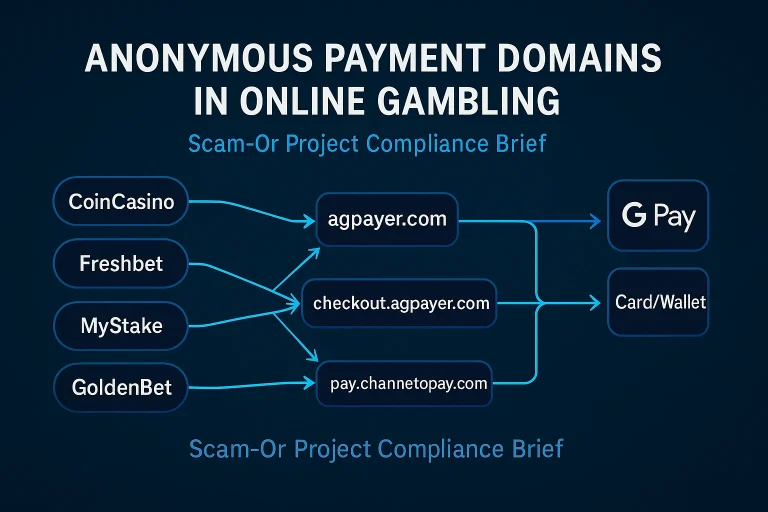
CoinsPaid and Dream Finance are not standalone payment providers. They function as the core crypto-payment layer for the SoftSwiss iGaming ecosystem. Intelligence reviewed by Scam-Or Project indicates overlapping beneficial ownership between CoinsPaid and SoftSwiss, positioning CoinsPaid as a primary crypto conduit for a vast network of online gambling platforms.
With reported transaction volumes reaching approximately €23 billion, CoinsPaid occupies a central role within the high-risk, quasi-shadow banking segment serving offshore and gray-market casinos. Losing its Lithuanian regulatory footing—once marketed as evidence of “EU compliance”—weakens the group’s credibility and complicates access to euro-based banking channels.
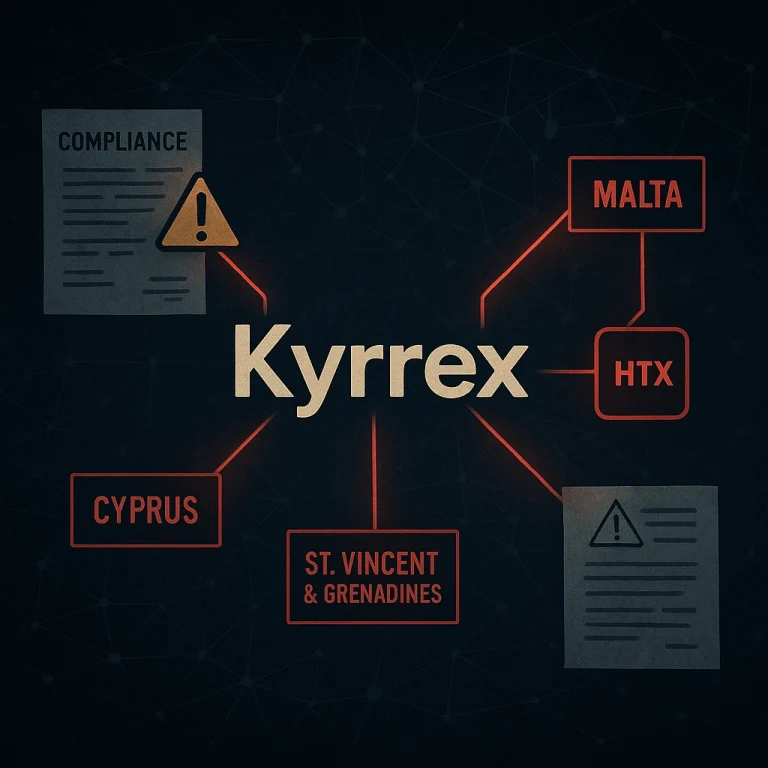
3. Regulatory Arbitrage: Shifting to Estonia and North America
Despite the Lithuanian shutdown, the Dream Finance Group continues to operate through other jurisdictions:
-
Estonia
Dream Finance OÜ remains active, leveraging Estonia’s distinct—though increasingly restrictive—crypto regulatory timeline. -
United States and Canada
The presence of Dream Finance US LLC (Delaware) and Dream Finance Processing Inc. (Canada) signals an effort to maintain Western-facing corporate structures for the benefit of merchants, PSPs, and banking partners.
However, MiCA’s passporting framework imposes a hard limitation: without a valid CASP license issued by an EU regulator such as the Bank of Lithuania, none of these entities are legally permitted to offer crypto services across the wider EU market.
Compliance Reality Check
The repeated use of the term “temporary suspension” is widely interpreted as a face-saving label for a de facto withdrawal from Lithuania. For banks, compliance teams, and counterparties, the situation is straightforward: Dream Finance entities are no longer operating within Lithuania’s regulated financial perimeter.
MiCA’s rollout appears to be achieving one of its intended outcomes—forcing high-risk crypto and gambling-linked processors out of lightly regulated EU jurisdictions. The critical compliance question is no longer whether CoinsPaid submitted an application, but what happens to transaction flows during and after the transition.
CoinsPaid continues to promote itself as a global crypto payment ecosystem, heavily embedded in iGaming and other high-risk verticals. A Lithuanian halt combined with an ongoing Estonian hub raises a structural concern: operational continuity may simply be rerouted across borders, while underlying risks—merchant quality, KYB standards, transaction surveillance, and exposure to offshore casino networks—remain unchanged, only redirected.
Scam-Or Project Whistleblower Section: Call for Information
Are you a current or former insider at Dream Finance or SoftSwiss with insight into enforcement actions taken by the Bank of Lithuania? Do you have information on transaction rerouting through Estonian or North American entities to circumvent EU restrictions?
You can submit documents and evidence anonymously via the Scam-Or Project whistleblower section. Your information plays a vital role in exposing risk and maintaining transparency within the crypto and iGaming payments industry.