
The Case of Payvision and Rudolf Booker: A Closer Look at Alleged Ties to Investment Fraud Networks

Background: Origins of Payvision
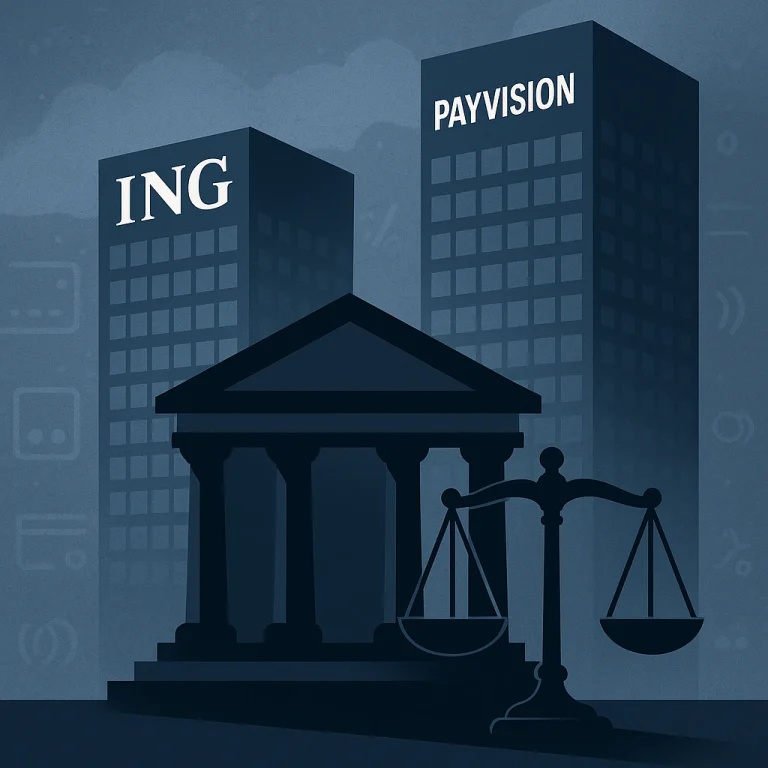
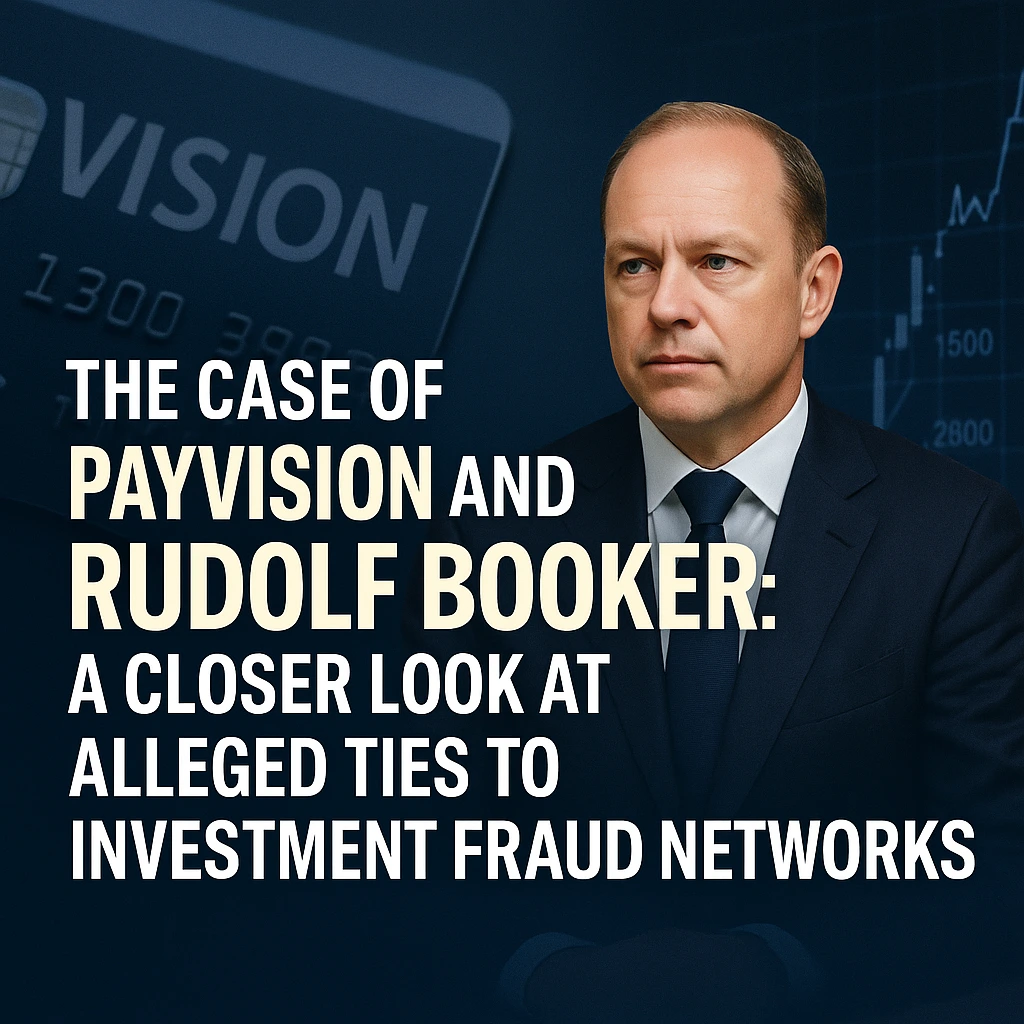
Rudolf Booker, an Amsterdam-based entrepreneur, founded the payment service provider Payvision in 2002. The company operated steadily until around 2015, when it began handling transactions for a growing number of high-risk clients. According to multiple sources, this shift coincided with the involvement of Uwe Lenhoff, a German businessman later investigated for cybercrime and financial fraud. In 2018, ING Group acquired Payvision for €360 million. By April 2020, Booker and his co-founders exited the company.
Alleged Connections to Lenhoff and Barak
In early 2019, Uwe Lenhoff and his business associate Gal Barak were arrested on charges of investment fraud and money laundering. Barak was later sentenced to four years in prison. Lenhoff died in custody in 2020; the official cause of death remains undisclosed. Investigations into their operations revealed that Payvision had played a significant role in processing payments for several platforms linked to the two individuals.
Lenhoff was introduced to Booker through a real estate contact. Following this connection, Lenhoff became a reseller for Payvision and helped onboard other binary options platforms — including those operated by Gal Barak — onto the payment processor’s network. These included:
-
Option888
-
ZoomTrader
-
TradeInvest90
-
TradoVest
-
Golden Markets
-
OptionStarsGlobal
-
XtraderFX
-
SafeMarkets
-
XMarkets
It is estimated that Lenhoff and Barak collectively processed over €130 million in customer funds through Payvision between 2015 and 2019.
Internal Knowledge and Red Flags
According to legal filings, Payvision continued processing transactions even after warnings from financial regulators were issued regarding certain clients. Records indicate that company leadership was aware of potential compliance risks. Nevertheless, business relationships were reportedly maintained.
There is evidence suggesting that Payvision later submitted Suspicious Activity Reports (SARs) to the Dutch regulator, referencing Lenhoff and Barak. This move, however, came after prolonged activity and only following external pressure. Despite reporting these concerns, the business relationships remained in place during the period under review.
Legal Proceedings and Disputes
Criminal complaints have been filed in Austria and Germany against Payvision and Booker, alleging involvement in money laundering and facilitation of investment fraud. Despite these proceedings, Booker has denied any wrongdoing and disputes any association with illegal activity. He also maintains that law enforcement authorities have not targeted him personally in formal investigations.
Summary of Key Events
|
Year |
Event |
|
2002 |
Payvision founded by Rudolf Booker |
|
2015 |
Business with binary options platforms began to escalate |
|
2018 |
Payvision acquired by ING Group for €360 million |
|
2019 |
Arrests of Lenhoff and Barak |
|
2020 |
Booker leaves Payvision; Lenhoff dies in custody |
Ongoing Scrutiny
As investigations into the binary options industry continue, attention remains on payment service providers and their role in enabling these schemes. Payvision has been described in some circles as a “Wirecard Mini-Me” due to its alleged involvement in similar patterns of high-risk client onboarding and delayed regulatory reporting.
The story remains subject to legal developments, and further updates are expected as proceedings advance in multiple jurisdictions.