
BaFin Escalates Supervisory Pressure on N26: Capital Add-Ons, External Oversight, and a Halt to Dutch Mortgage Operations

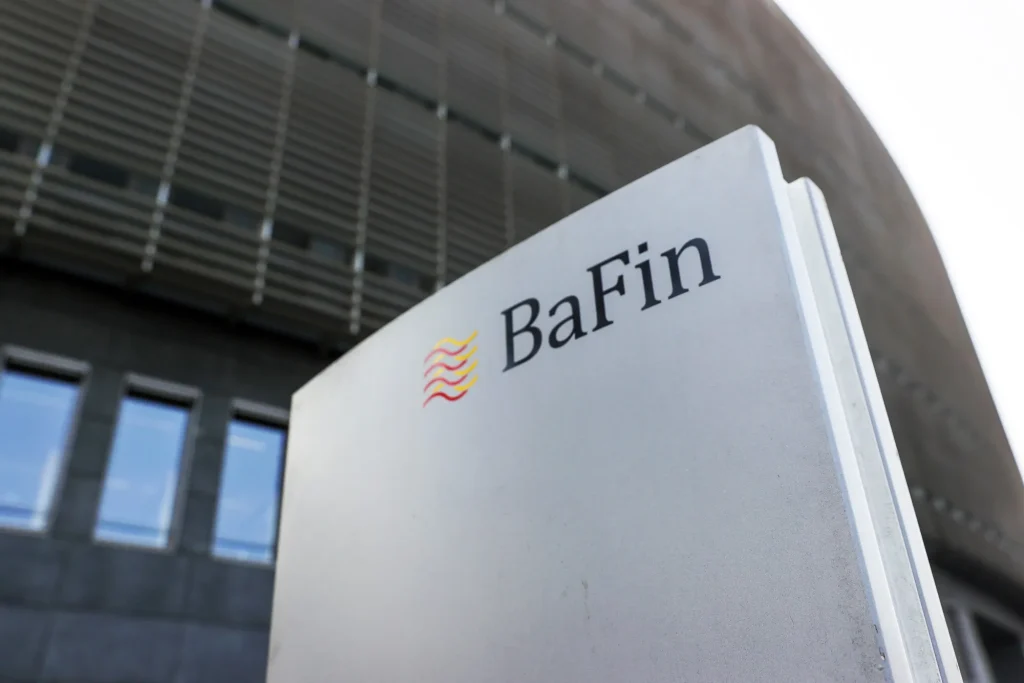
Germany’s financial watchdog BaFin has once again intensified its supervisory stance toward the digital bank N26, rolling out a new set of corrective measures after a special regulatory review in 2024 and the subsequent examination of the bank’s 2024 financial statements. According to the regulator, these reviews exposed material weaknesses in several core areas, including corporate governance, risk management, customer complaint handling, and the internal structuring of N26’s lending activities.
What distinguishes the latest intervention from earlier actions is its explicit cross-border impact. For the first time, BaFin has directly curtailed a specific non-German product line by effectively freezing N26’s mortgage business in the Netherlands—an unusual step that signals growing regulatory impatience.
Overview of the Supervisory Measures
Newly imposed actions (December 2025)
BaFin ordered a combination of structural and financial remedies aimed at stabilising N26’s operations and reducing supervisory risk exposure. These measures include:
- the imposition of additional own-funds and capital buffers,
- the appointment of a special representative to oversee remediation efforts,
-
and formal restrictions on parts of N26’s lending business.
(Source: Reuters)
Restrictions affecting the Netherlands
In parallel, BaFin prohibited N26 from:
- originating new residential mortgage loans in the Netherlands, and
-
securitising mortgage receivables associated with its Dutch lending activities.
(Source: DIE WELT)
Repeated regulatory intervention
This marks the second occasion since 2021 on which BaFin has introduced an external oversight mechanism resembling a supervisory monitor in relation to N26—underscoring the regulator’s view that internal remediation alone has not been sufficient.
Historical Enforcement Record
BaFin’s current actions follow a series of earlier enforcement steps against the neobank:
- In 2021, N26 was fined €4.25 million.
-
In 2024, the regulator imposed an additional €9.2 million penalty for delayed suspicious activity reporting linked to cases from 2022.
(Source: BaFin)
Together, these sanctions illustrate a long-running supervisory narrative centred on compliance lapses and delayed corrective action.
Why the Dutch Mortgage Ban Matters
At the core of BaFin’s assessment lies a familiar conclusion: N26’s technology-driven growth model continues to strain traditional control frameworks. Weaknesses in risk governance, complaint escalation, and credit-process organisation have remained persistent issues despite prior interventions.
This time, however, BaFin went beyond reinforcing Germany-focused remediation requirements. By targeting Dutch mortgage origination and related securitisation structures, the regulator struck directly at a growth segment that combines cross-border expansion with higher credit and balance-sheet risk.
The move highlights an important supervisory principle within the EU framework. When a home regulator determines that a bank’s organisational setup is not sufficiently robust, cross-border privileges are among the first to be limited. In practical terms, passporting rights do not shield institutions from decisive intervention if foundational controls are deemed inadequate.
Broader Implications for the Neobank Sector
BaFin’s actions serve as a broader signal to fast-scaling European neobanks. Digital distribution and rapid customer acquisition do not compensate for shortcomings in governance architecture or risk oversight. Where control environments fail to keep pace with growth, regulators are increasingly willing to impose targeted business restrictions rather than relying solely on fines or remediation plans.
Points of Attention for Exposed Counterparties
Stakeholders connected to N26’s Dutch mortgage activities—including brokers, servicing partners, funding providers, and securitisation counterparties—should reassess their exposure, with particular focus on:
- the status and continuity of mortgage pipelines,
- complaint handling and borrower forbearance processes,
- governance documentation and audit trails,
- and representations linked to securitisation or funding structures.
Heightened supervisory scrutiny of high-growth EU neobanks can be expected to continue.
(Source: Banking Dive)
Call for Information
Are you an N26 customer, former employee, vendor, or compliance or audit professional with insight into internal control deficiencies, SAR processing delays, complaint management practices, or cross-border lending operations, including activities in the Netherlands?
Information and documentation can be submitted confidentially via the Scam-Or Project whistleblower section.