
Compliance Assessment: utPay as a Crypto Payment Conduit in Germany-Focused Offshore Gambling

Executive Summary
Scam-Or Project has conducted an independent compliance-oriented assessment of UTRG UAB, a Lithuania-based virtual asset service provider operating under the commercial name utPay. The analysis indicates that utPay has become a central transaction intermediary for offshore online casinos and sports betting platforms that are not licensed to operate in Germany.
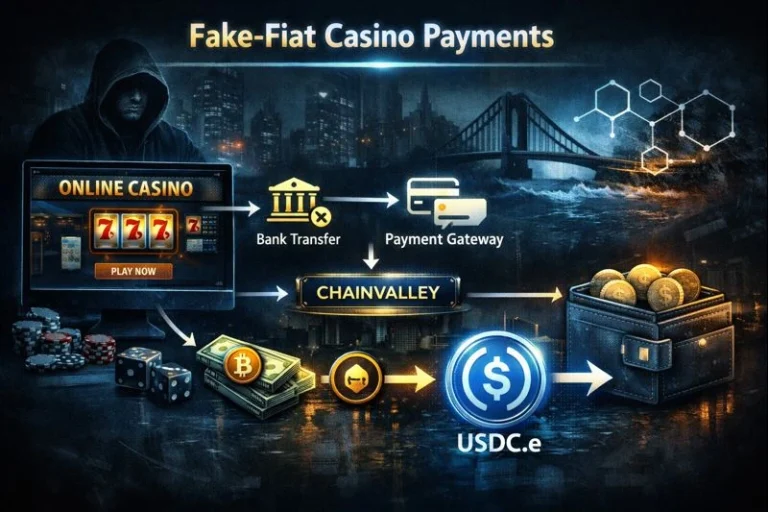
The payment flows reviewed suggest systematic use of deposit methods presented to users as conventional bank or card transfers, while the underlying settlement mechanism involves cryptocurrency purchases and transfers.
Scope and Methodology
The compliance review is based on publicly available corporate registries, traffic and referral analytics, archived website data, and prior investigative findings related to casino networks connected to NovaForge. No non-public or confidential sources were used.
The full-length report referenced in this article reconstructs:
- Corporate and operational characteristics of utPay,
- Licensing status and regulatory positioning,
- Traffic sources and geographic concentration,
- The composition of the merchant portfolio using utPay’s infrastructure.
Corporate and Traffic Profile
UTRG UAB is registered in Lithuania as a provider of virtual currency exchange and custodial wallet services. Traffic measurements for app.utpay.io show substantial growth, with more than 720,000 recorded visits in November 2025.
Key traffic characteristics include:
- Approximately 80% of visits originating from Germany,
- A dominant referral share from gambling-related domains,
- An estimated 58% or more of total observed traffic linked to casino, betting, and sportsbook websites.
Among the most significant referrers are offshore casino brands such as Legiano and BetAlice. These platforms are operated through Marshall Islands entities associated with NovaForge Ltd and hold licenses issued in non-EU or high-risk jurisdictions, including Anjouan and PAGCOR. As such, they are not authorized to offer gambling services to German residents under the GlüStV 2021 framework.
Payment Flow Characteristics
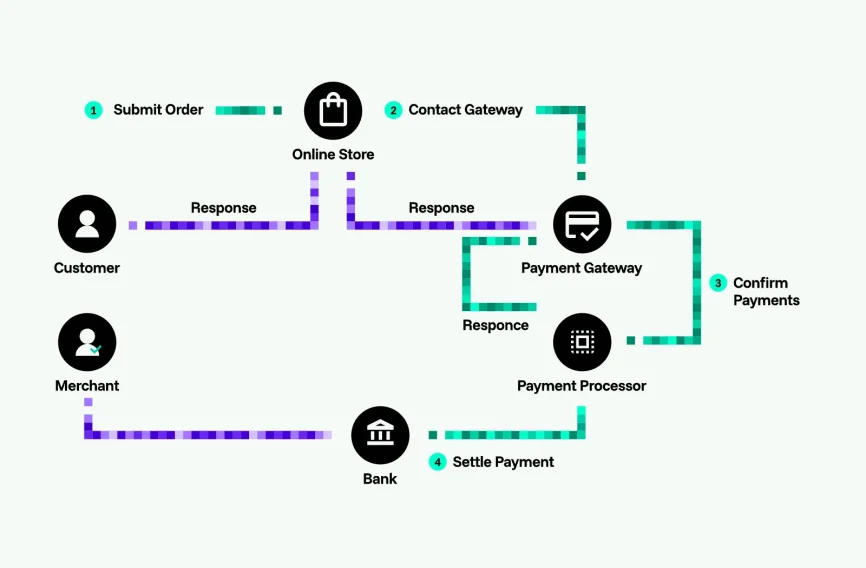
The assessment documents a recurring technical pattern in which utPay’s checkout module is integrated directly into casino cashier interfaces. Users are offered deposit options labeled as “bank transfer” or card payment. However, transaction-level analysis indicates that:
- The user purchases cryptocurrency from UTRG via utPay,
- The acquired cryptoassets are transferred on-chain to wallets controlled by the casino operator,
- The transaction is recorded as a crypto exchange operation rather than a gambling payment.
This structure enables offshore operators to access regulated SEPA and card-based payment rails while reducing exposure to gambling-specific payment restrictions and bank-side transaction filtering applied in Germany.
Network Concentration and Structural Indicators
Referral analysis for November 2025 shows that roughly 42% of utPay’s inbound traffic was attributable to BetAlice and Legiano alone. Both brands have previously been linked to NovaForge-controlled structures and to entities emerging after the collapse of the Rabidi Group casino network.
Additional structural indicators identified in the review include:
- Absence of clearly disclosed beneficial ownership information for UTRG,
- Delayed or missing financial filings in Lithuanian public records,
- Rapid transaction-volume growth coinciding with the approach of the EU-wide MiCA authorization deadline.
Taken together, these elements point toward a business configuration optimized for cross-border regulatory gaps rather than transparent, long-term compliance.
Compliance Working Hypothesis
Based on the aggregated evidence, Scam-Or Project formulates the following compliance hypothesis:
UTRG UAB, through its utPay platform, operates primarily as a crypto-enabled payment intermediary facilitating deposits from German players to unlicensed offshore casinos via mischaracterized “bank transfer” flows, thereby supporting systematic non-compliance with German gambling regulations and elevating financial crime risk exposure.
Evidentiary Factors
This hypothesis is supported by:
- The disproportionate concentration of German-origin traffic to app.utpay.io,
- A referral ecosystem dominated by gambling and betting platforms,
- Technical integration with casino networks associated with NovaForge Ltd, including the use of external payment processors such as MiFinity and Binance,
- Limited transparency regarding ownership and financial reporting despite operational scale.
Regulatory Considerations
The report concludes that UTRG/utPay may represent a high-risk exposure for financial institutions, payment service providers, and crypto exchanges interacting with the platform. It further suggests that supervisory authorities in Lithuania and Germany, in coordination with other EU regulators, review utPay’s activities within the frameworks of MiCA authorization and GlüStV 2021 enforcement.
Request for Information
Scam-Or Project continues to analyze utPay-related payment structures and their connections to offshore casino networks. While the current findings rely on open-source intelligence and traffic analytics, further clarity is needed regarding internal ownership arrangements, correspondent banking relationships, and the precise routing of customer funds involving Cyprus-based payment agents and other intermediaries.
Individuals with relevant knowledge of utPay, NovaForge, or associated payment and banking arrangements are invited to submit information through the Scam-Or Project whistleblower section. Such disclosures may support regulatory review and future enforcement actions.