

Hyperliquid’s $430M Weekly Capital Exit: A Stress Signal for This Cycle’s Flagship Perps DEX

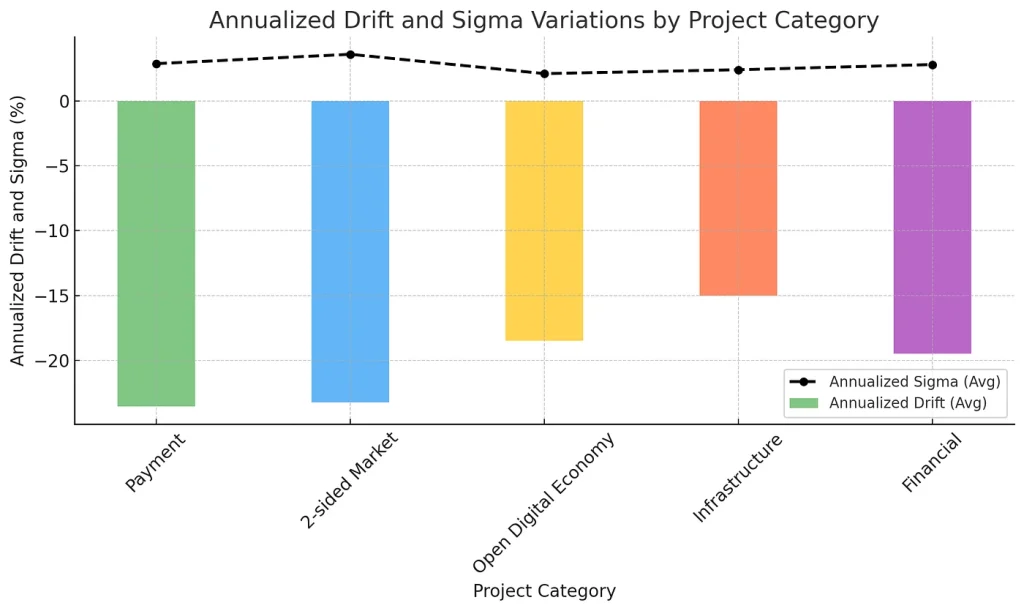
Hyperliquid — widely regarded as one of the most prominent DeFi perpetuals platforms of the post-2024 halving cycle — has just logged weekly net capital outflows exceeding $430 million. According to commonly referenced Dune dashboards, this represents the third-largest weekly outflow in the protocol’s history.
This capital flight coincides with a broader market pullback: Bitcoin remains roughly 30% below its October high, while a growing number of analysts suggest that crypto markets may already be transitioning into a bearish phase. Historically, such macro conditions tend to pressure leverage-heavy venues and tokens closely tied to exchange activity.
Key Developments at a Glance
- Capital withdrawal: More than $430M in net outflows over seven days; AUM/TVL indicators have reportedly declined sharply since September peaks (Sources: Phemex, CCN).
- Competitive pressure: Emerging rivals such as Lighter and Aster are intensifying competition in the perpetuals DEX segment, diverting trader attention and incentive-driven liquidity (Source: The Block).
- Token reflexivity risk: The HYPE token has fallen significantly from prior highs (around 60% below ATH on several trackers), with liquidation-related news adding downside momentum (Sources: CryptoPotato, KuCoin).
- Regulatory exposure remains unresolved: Scam-Or Project has previously highlighted EU accessibility to perpetuals trading without visible KYC or geo-blocking, placing Hyperliquid within potential MiFID II derivatives risk territory.
- Macro risk scenario: If Bitcoin’s bearish narrative solidifies, Hyperliquid could face simultaneous volume contraction and regulatory scrutiny (Source: Binance).
Short Narrative
Hyperliquid’s ascent during the current halving cycle followed a well-established DeFi growth formula: capture professional trader mindshare, compress fees, deliver near-CeFi execution speed, and rely on permissionless access for rapid adoption. That approach proved effective — until market sentiment shifted and competitors replicated the model with heavier incentives and newer narratives.
The outcome is now visible on-chain: dashboards show a pronounced liquidity drain, with weekly net outflows surpassing $430M.
Extended Analysis
1) Outflows Signal More Than Sentiment
Capital exits are not merely a reflection of mood — they directly impact revenue dynamics and platform resilience.
Hyperliquid is frequently described as a perps venue with a built-in token feedback loop:
trading activity → fee generation → buyback and burn mechanisms.
Industry analyses describe an automated structure whereby a substantial share of trading fees is routed into HYPE buybacks, often referred to as the “Assistance Fund” mechanism.
In a declining volume environment, however, this buyback narrative weakens precisely when market confidence is already fragile (Source: OKX).
In parallel, multiple reports indicate a measurable reduction in assets, AUM, and TVL compared with September levels — consistent with traders withdrawing stablecoin collateral.
2) Competition Is Now Explicit — From DeFi and CeFi Alike
Within DeFi, competitors such as Lighter and Aster are openly challenging Hyperliquid’s core strengths: perpetuals liquidity, execution speed, and incentive structures.
From the CeFi side, platforms like Binance and Kraken continue to offer deep liquidity, cross-margining, and institutional-grade infrastructure. During risk-off periods, traders often prioritize execution reliability over ideological alignment, reducing the stickiness of peak-cycle loyalty.
3) Why the Bear Thesis Matters for Perps Platforms
Bitcoin currently trades near $88.6k (snapshot at time of writing), but positioning indicators matter more than spot price. Analysts referencing on-chain demand metrics (including CryptoQuant-cited data) argue that current conditions resemble the early stages of a bearish transition (Source: DL News).
In such regimes, perpetuals activity typically declines, liquidation events increase, and tokens associated — even indirectly — with venue usage tend to experience amplified downside volatility. Recent HYPE price action and whale-liquidation headlines align with this pattern.
4) HYPE Token Under Structural Stress
The HYPE token has dropped roughly 60% from its September all-time high of $59.31 to around $24 in December. This decline reflects both Hyperliquid-specific dynamics and broader market weakness.
Some analysts project further downside toward $19.46, implying a 67% drawdown from peak levels, while the Fear & Greed Index recently registered “Extreme Fear” at 20.
Technically, HYPE trades below all major moving averages (MA3 through MA200), with approximately 85% of indicators signaling bearish conditions. The Relative Strength Index (RSI) near 35.8 suggests oversold territory, but historical precedents from the 2022–2023 bear market show that oversold conditions can persist for extended periods.
5) Regulation: The Non-Cyclical Risk Factor
Beyond market cycles, regulatory exposure represents a structural challenge.
Compliance testing documented by Scam-Or Project indicated that EU users were able to access perpetuals trading without evident KYC or geo-blocking measures. Terms of service, as observed, did not clearly exclude EU, EEA, or UK residents — a combination that historically precedes enforcement actions similar to those faced by major exchanges in prior cycles.
In bearish environments, regulatory action often accelerates as retail losses reduce political resistance and increase enforcement mandates.
Final Assessment
Hyperliquid is unlikely to collapse through the same mechanisms that led to FTX’s failure. FTX unraveled due to centralized custody, opaque balance sheets, and alleged misuse of customer assets — vulnerabilities that are structurally harder to replicate in transparent, on-chain systems.
However, an “FTX-like cycle outcome” remains plausible: a prolonged contraction driven by sustained outflows, declining HYPE valuations, shrinking volumes, and mounting regulatory pressure. Such a scenario could force strategic shifts — including stricter jurisdictional controls, KYC implementation, or reduced permissionless access — alongside a long-term loss of market relevance.
Forward-Looking Scenarios
Baseline outlook:
Hyperliquid remains operational but shifts its strategy toward risk containment and institutional maturity. This path likely involves tighter compliance measures, clearer jurisdictional boundaries, and a gradual retreat from unrestricted, permissionless expansion in favor of long-term sustainability.
Downside outlook:
A sustained Bitcoin drawdown, combined with continued capital withdrawals and the emergence of EU or US regulatory actions, could initiate a self-reinforcing contraction. Under this scenario, Hyperliquid’s market share and influence in the perps DEX segment may decline on a lasting basis.
Request for Information
Market participants or former insiders with direct knowledge of Hyperliquid’s liquidity handling, Assistance Fund structure, incentive allocation, or geographic access controls are invited to come forward.
Relevant materials — such as transaction records, interface screenshots, archived policy documents, or internal correspondence — may be submitted through the Scam-Or Project whistleblower section. Confidentiality and source protection are ensured.